Living through a renovation: protecting your family and home
A practical guide to living at home during renovation: zoning the house, controlling dust and noise, protecting furniture, child safety, a temporary kitchen, and when to move out.
Arkan Almajara team · · 2 min read
The short answer
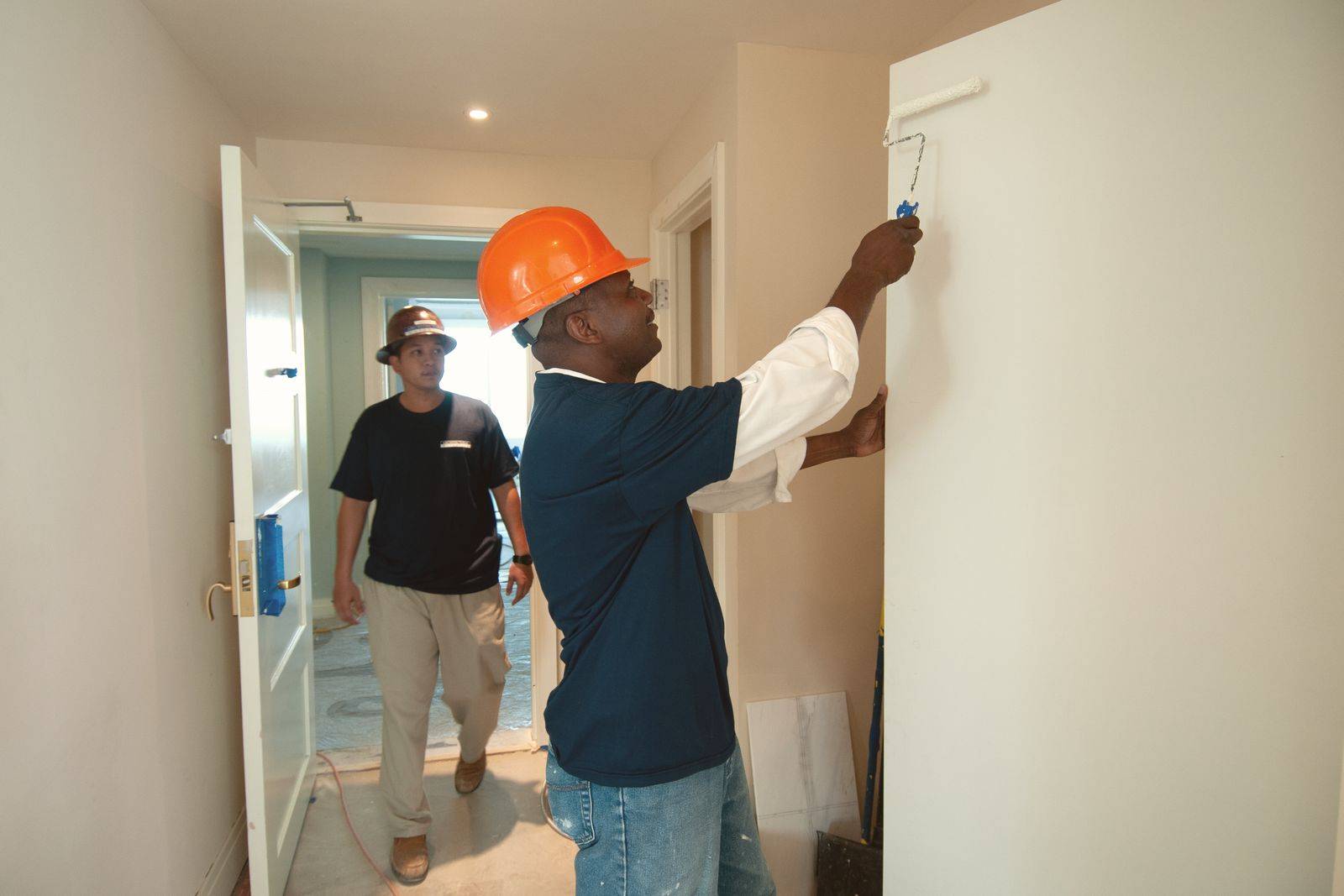
Living at home during renovation is possible if the house is split into a sealed work zone and a clean living zone, noisy and dusty work is scheduled, furniture and AC are protected, and safe entrances and routes remain. For a full renovation, small children or sensitive people, moving out temporarily is usually better.
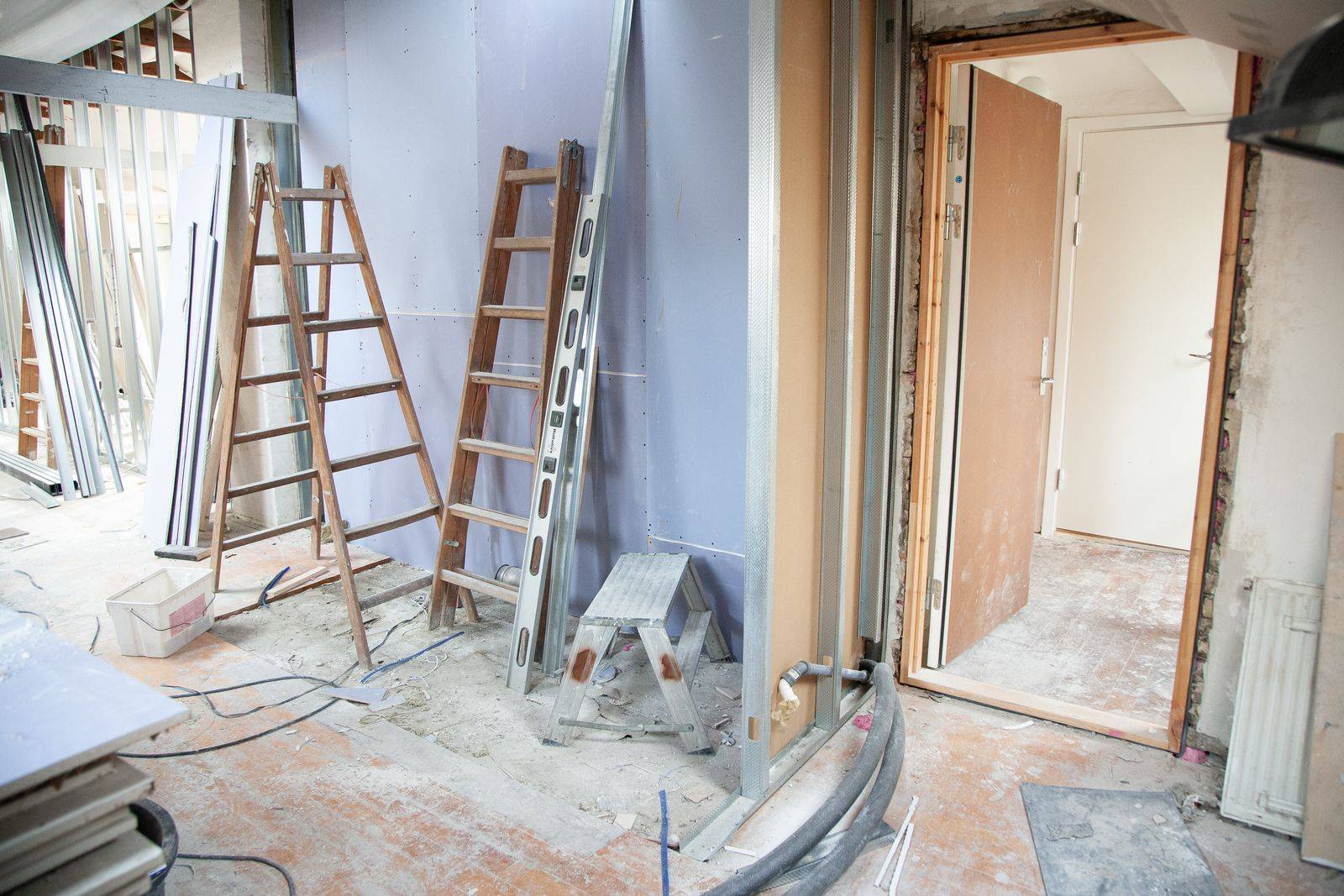
- Set a sealed work zone behind hoardings, and a clean living zone.
- Isolate the AC from the work zone so it does not spread dust.
- Agree working hours and noisy work in advance.
- With children or allergies, consider moving out temporarily.
Moving out is not always possible. Living in a house while parts of it are renovated can work, provided it is planned as part of the project.
Zoning
| Zone | What happens there |
|---|---|
| Work zone | Sealed with floor-to-ceiling screens, with a separate entrance if possible |
| Living zone | Clean, with a route that does not pass the works |
| Temporary facilities | A small kitchen and a bathroom that work throughout |
Dust
- Tight screens and a zipped door.
- AC grilles in the work zone switched off or sealed.
- Sanding with machines connected to vacuums.
- Daily cleaning, wiping rather than dry sweeping.
- Furniture and appliances covered in the next zone.
Noise and time
A weekly schedule of noisy work (breaking out, cutting, fixing into concrete), and agreed quiet times, especially at sleep, prayer and study times.
Safety
- No tools or cables in walkways.
- Work-zone doors kept closed to children.
- Chemicals (paints, adhesives) stored safely.
- Good ventilation during painting and bonding.
When to move out
- A full renovation of the house.
- Work on the only kitchen and bathroom at once.
- Small children, pregnancy, allergies or asthma.
- Intensive chemical work.
Phasing
Room by room, or floor by floor, handing back each zone clean before starting the next. Read working in occupied spaces and renovating an apartment.
The service: villa and home finishing.
Frequently asked questions
How much can dust be reduced?
A lot: floor-to-ceiling screens, extraction at source, tools with vacuums, and daily cleaning. But it never disappears entirely in major work.
Can I stay at home while painting is done?
Modern low-emission paints are less troublesome, but rooms should be ventilated and not slept in until they are dry and the smell has gone.