Gypsum board ceilings and partitions
We build the ceiling from the steel frame to the last coat of paint, and choose the board for the room. A suspended ceiling hides the air conditioning and services, carries the lighting and sets the character of the space.
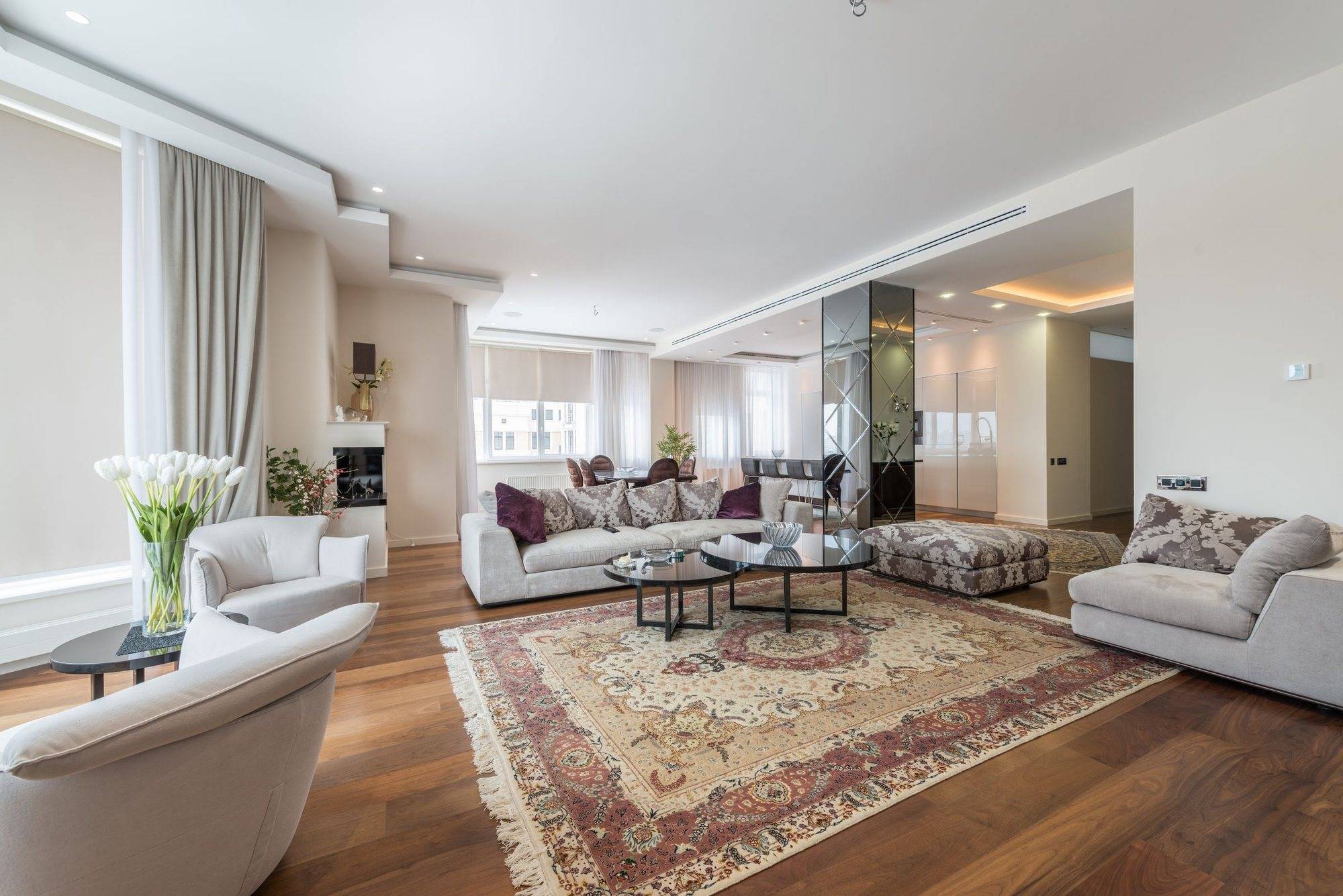
Where it is used
- Restaurants, hotels and reception halls
- Corridors, offices and clinics
- Kitchens and bathrooms with moisture-resistant board
- Partitions that divide open-plan space
Guide price
We price after the site visit, because quantity, height and material change the cost a great deal.
Gypsum board ceilings and partitions
Types and options
Standard board (white)
For dry rooms, general ceilings and walls.
Moisture-resistant board (green)
For kitchens, bathrooms, hospitals and anywhere with steam or frequent washing.
Fire-rated board
For corridors, escape routes and wherever civil defence codes require it.
Acoustic partition
Two boards a side with a rock-wool core, for clinics and meeting rooms.
Gypsum board ceilings and partitions
How we build it
Survey and setting out
We measure the site and fix ceiling levels, duct and lighting routes before anything is cut.
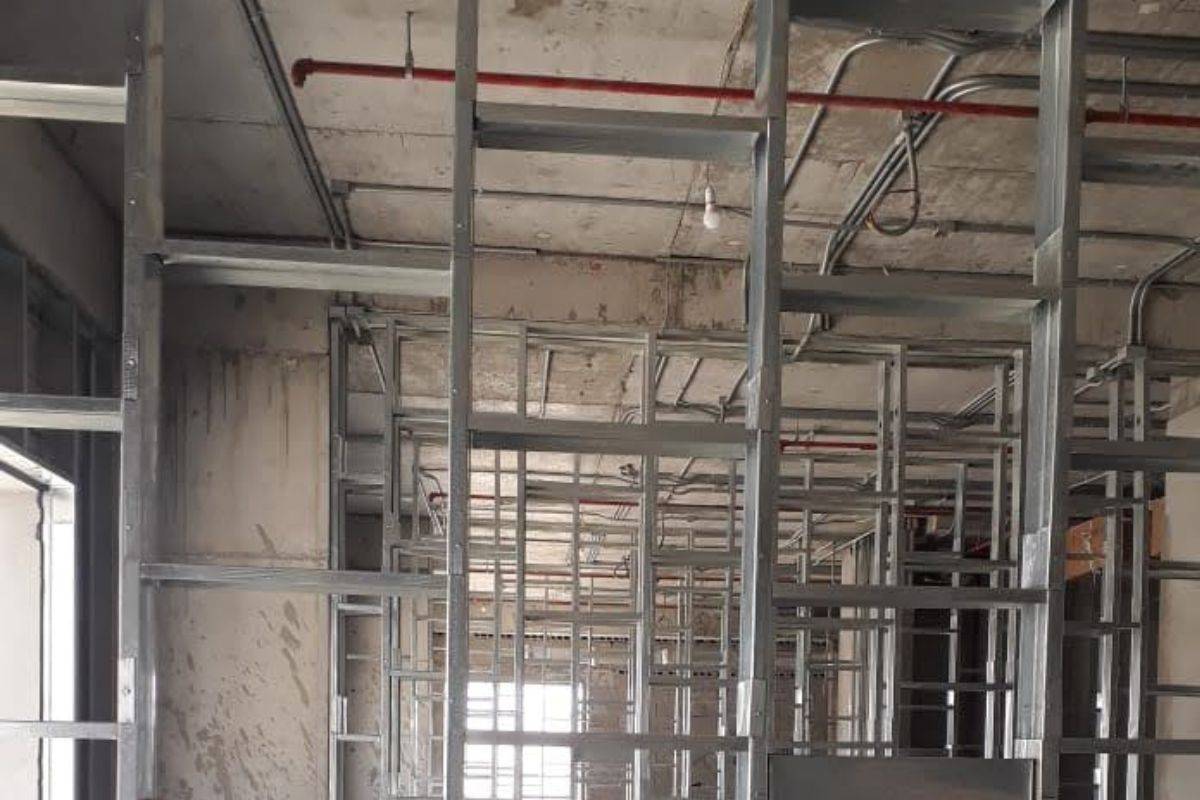
Steel frame
Galvanised channels and angles at fixed centres, with hangers sized for the real weight of board and lights.
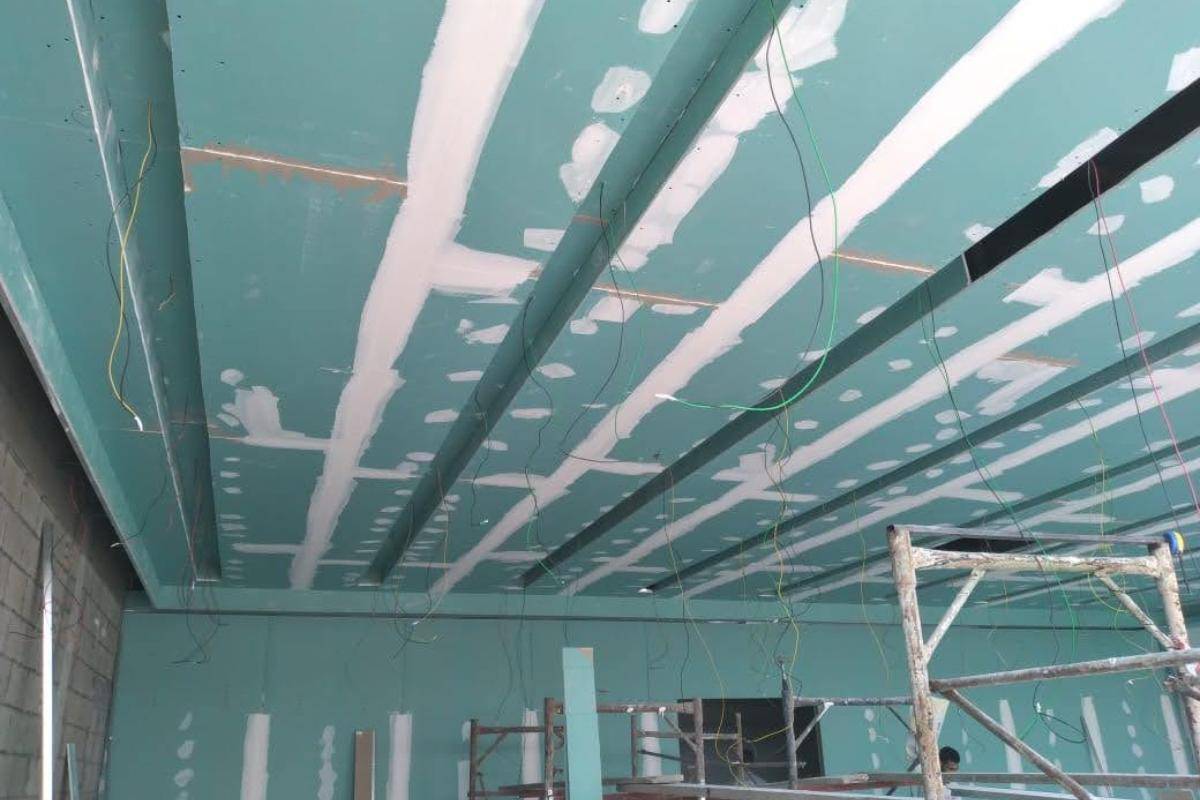
Boarding and jointing
Boards fixed, then tape and compound in layers so no joint shows through.
Paint and light
Sanding, primer and finish coats, then spotlights, concealed lighting and access panels.
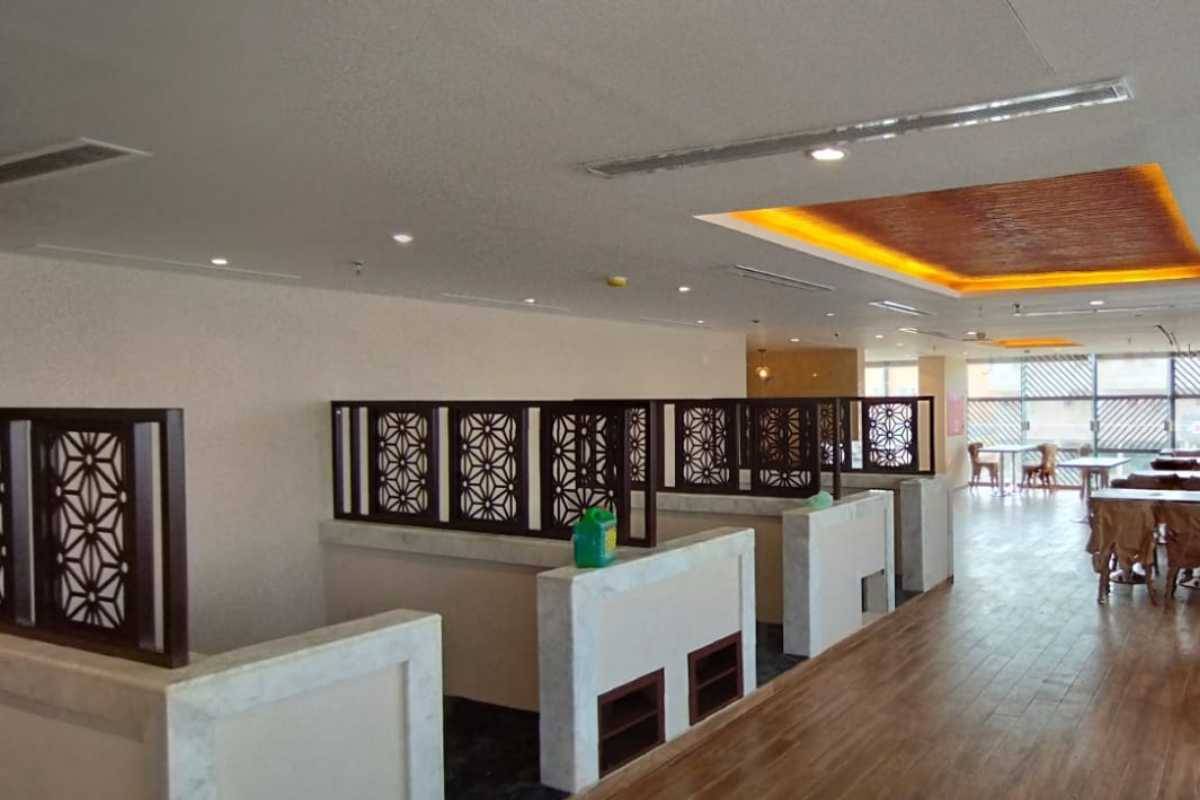
From our projects
Real work, photographed on site.
Knowledge
Read before you decide
Gypsum board types: standard, moisture-resistant, fire-rated and acoustic
A practical guide to gypsum board types, sizes and thicknesses, where each is used in ceilings and partitions, and how to choose the right board for every room.
Read the article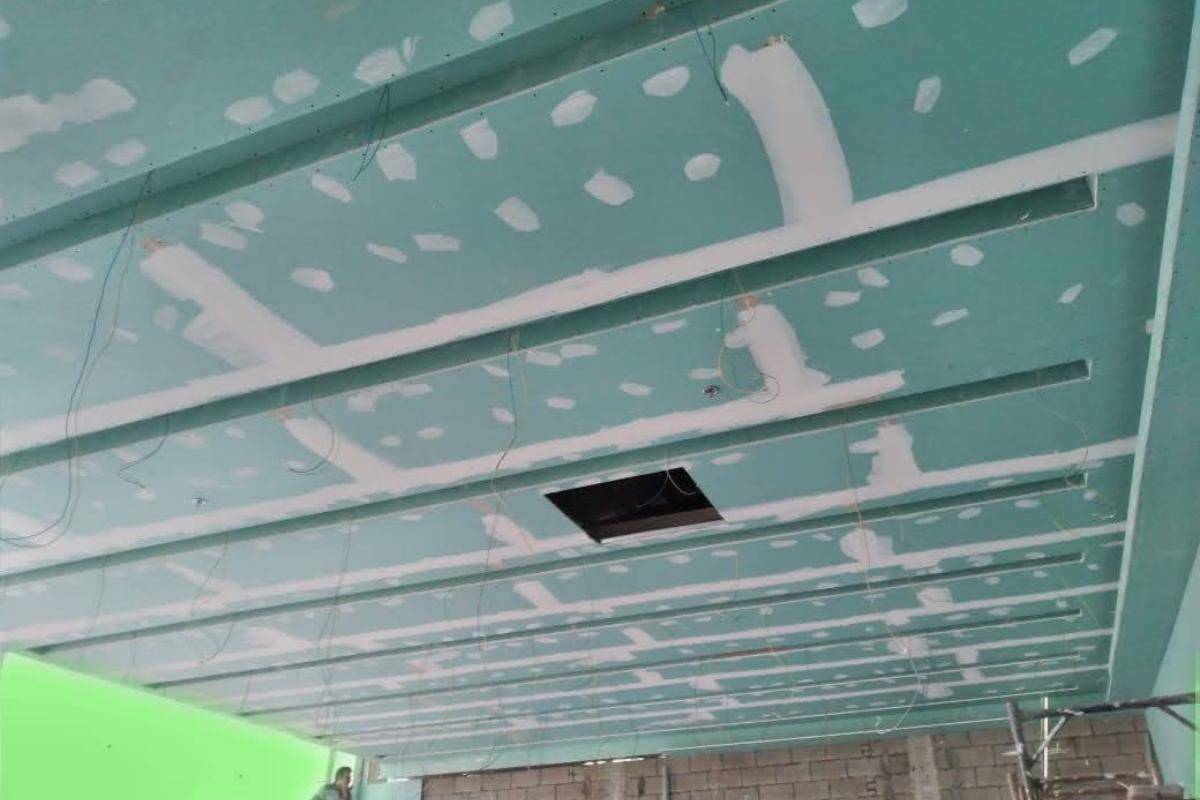
Ceiling access panels: where to put them and why they must not be forgotten
A guide to access panels in gypsum ceilings: where you need them for concealed AC units and valves, sizes, concealed-frame types, and how they save breaking the ceiling later.
Read the article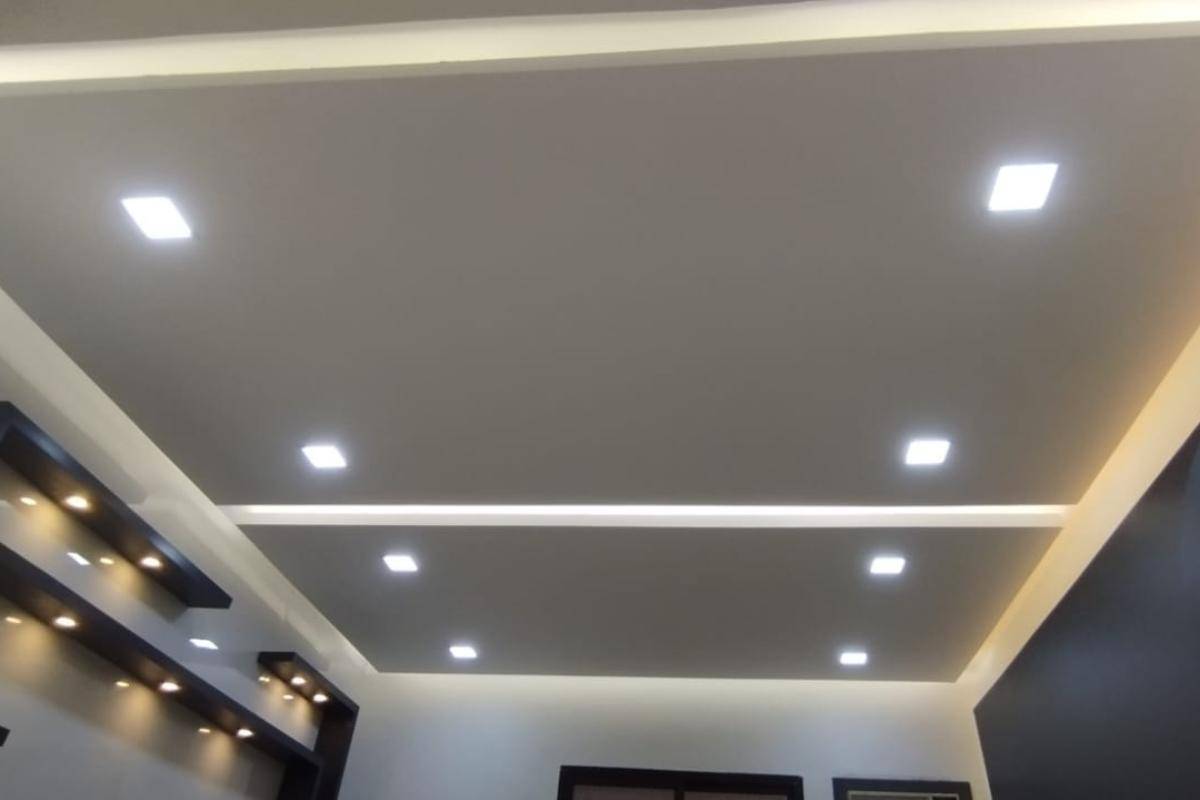
Cornice or shadow gap? How to finish where ceiling meets wall
Gypsum cornices, shadow gaps and a plain corner compared for finishing the ceiling-to-wall junction: looks, crack prevention, lighting, and what suits each style.
Read the article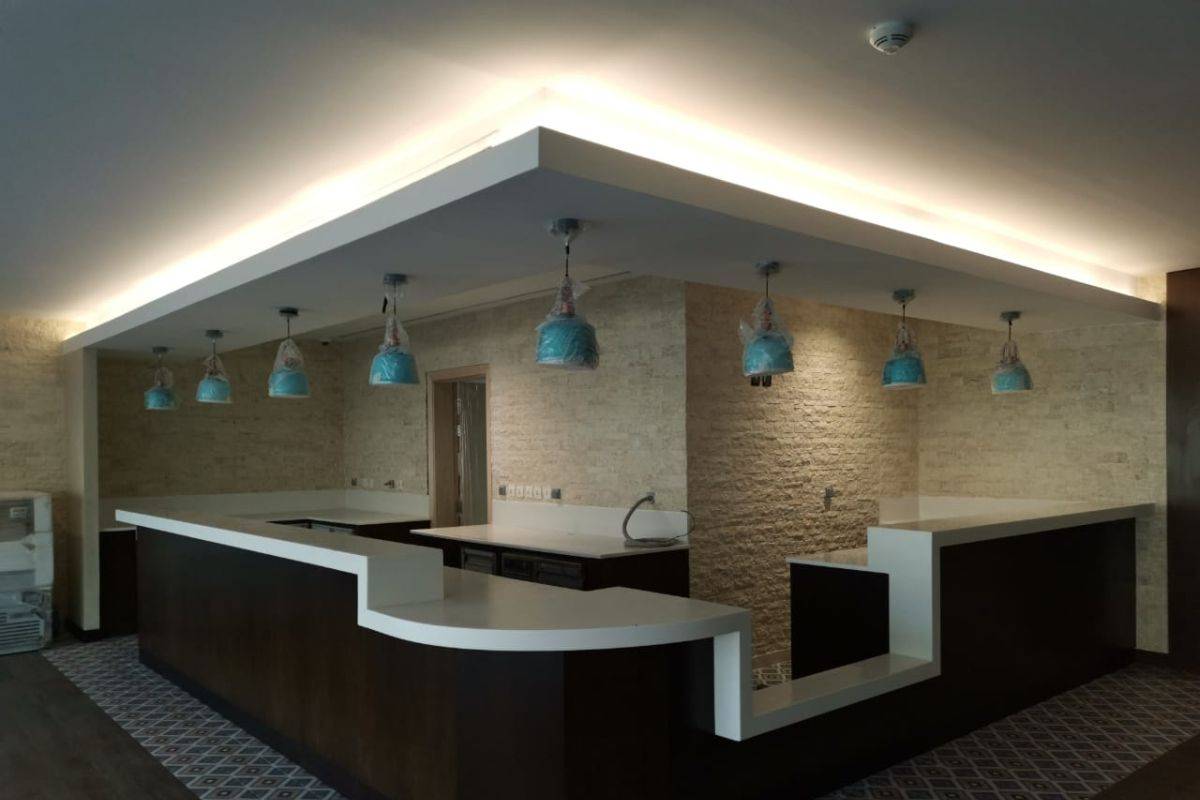
Curved gypsum ceilings and walls: how to build them without ripples
Building curves, circles and domes in gypsum board: flexible boards, curved frames, achievable radii, and lighting curves without exposing flaws.
Read the article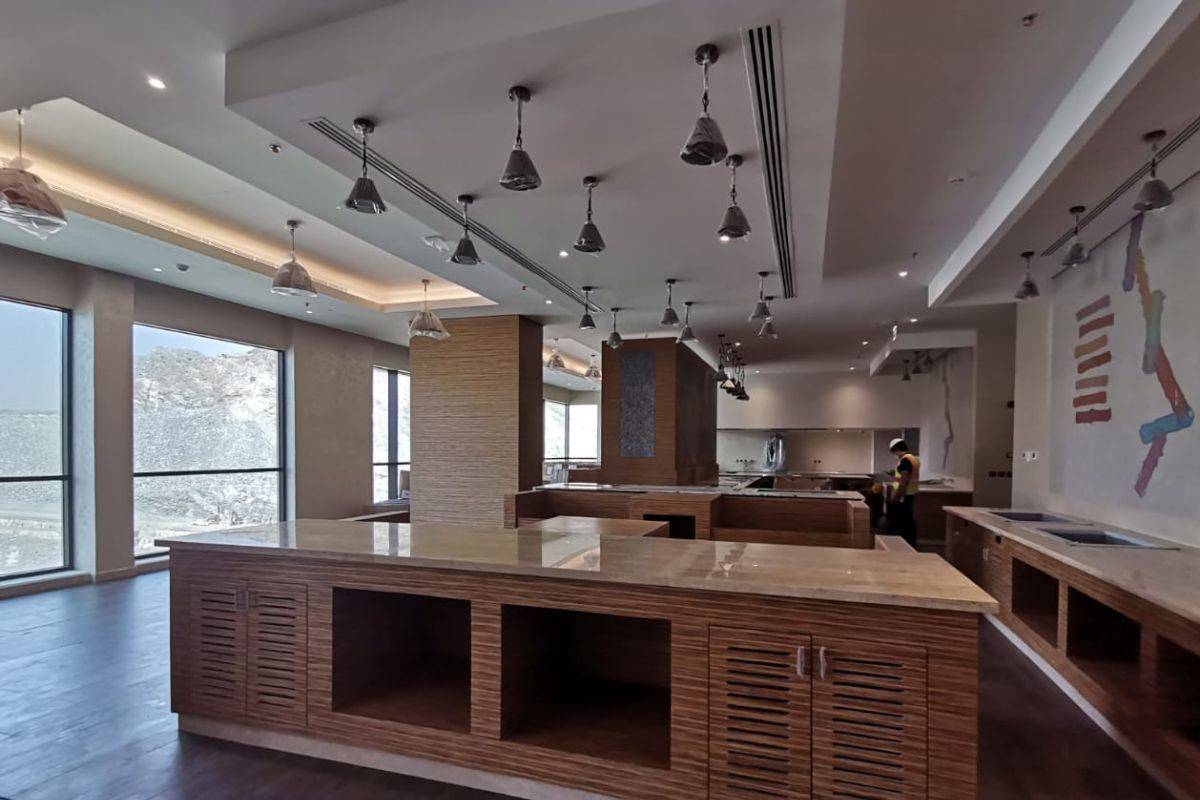
Designing ceiling levels: bulkheads, drops and concealed lighting
How to design a gypsum ceiling with more than one level: when you need a bulkhead, how far it drops, how it relates to AC and lighting, and mistakes that make a room feel smaller.
Read the article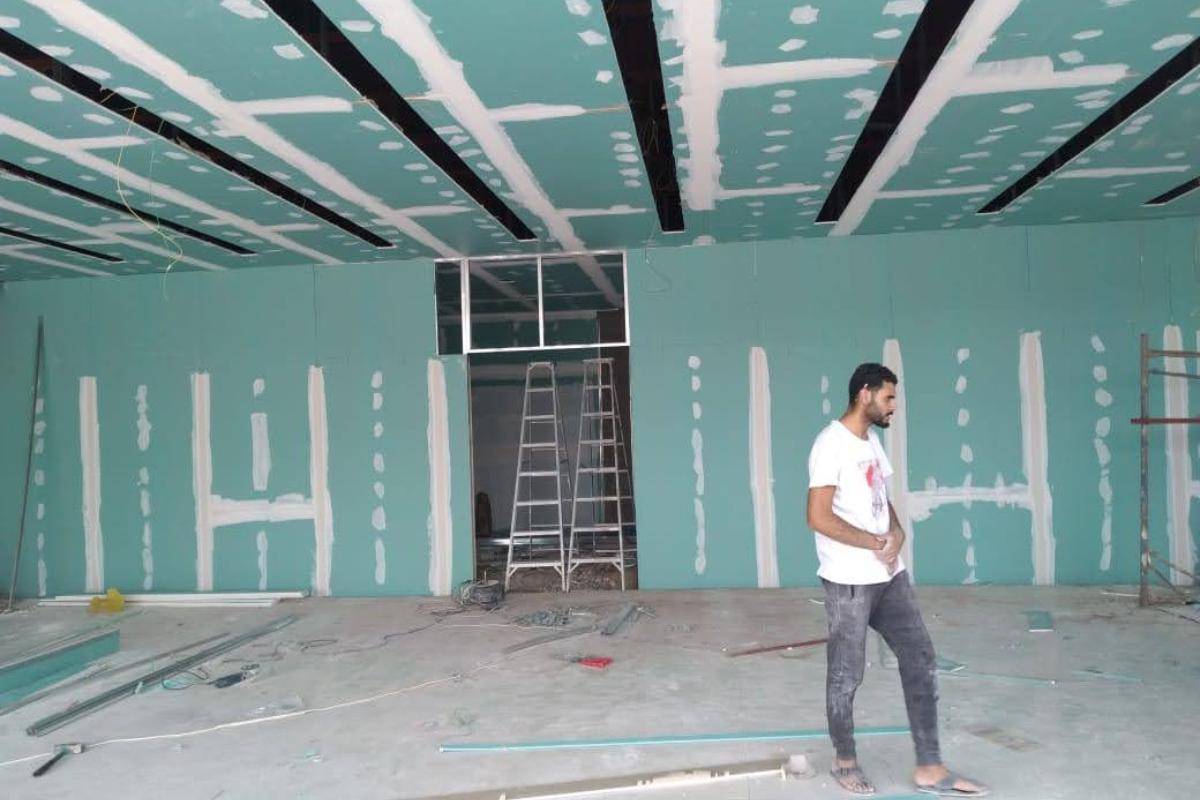
Finishes in humid coastal cities: materials that stand up to damp and salt
Choosing ceiling, wall and cladding materials in humid coastal cities: green board, corrosion-resistant metals, wood and marble alternatives, paints and ventilation.
Read the articleQuestions
Questions about Gypsum board ceilings and partitions
Does gypsum board crack over time?
Cracks usually come from a weak frame, joints left untaped, or standard board in a damp room. So we fix hangers at set centres, tape and fill joints in layers, and use green board wherever there is moisture.
Can you work while the space is in use?
Yes, in most shops and offices, in phases or at night, with floors and furniture covered. We agree this at the site visit.
Have a space or a drawing? Start with a site visit.
Tell us the type of space and its approximate size, and we will get back to you to book a time.