Concealed and linear lighting
Good lighting is designed with the gypsum, not after it. We fix every light line and spotlight, and its colour temperature, while drawing the ceiling, and leave it the right channel and distance so no LED dots or stray shadows show.
Where it is used
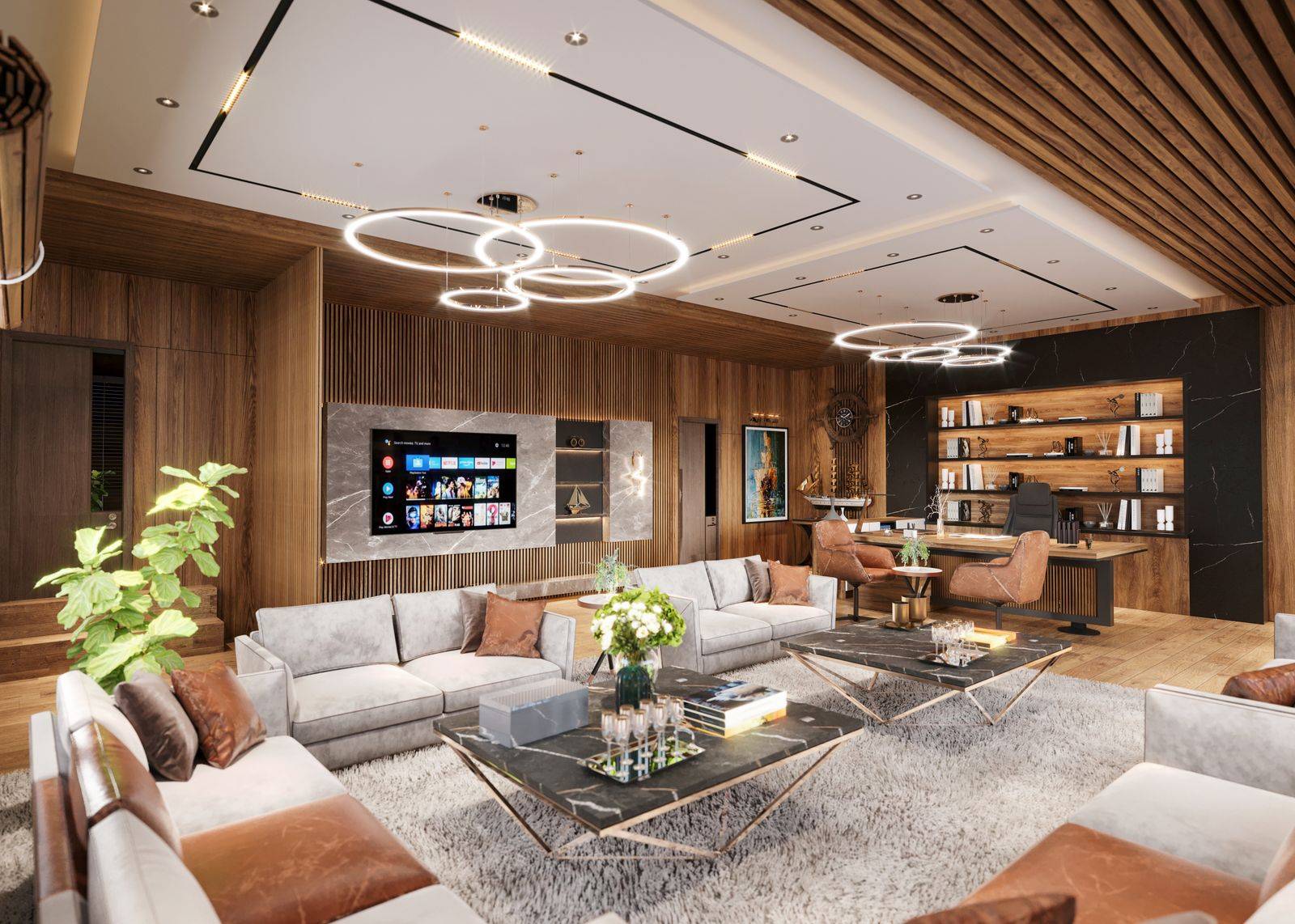
- Stepped ceilings in living rooms and majlis
- Restaurants and hotels, where light is part of the mood
- Offices with linear light lines
- Feature walls, shelving and stairs
Guide price
We price after the site visit, because quantity, height and material change the cost a great deal.
Concealed and linear lighting
Types and options
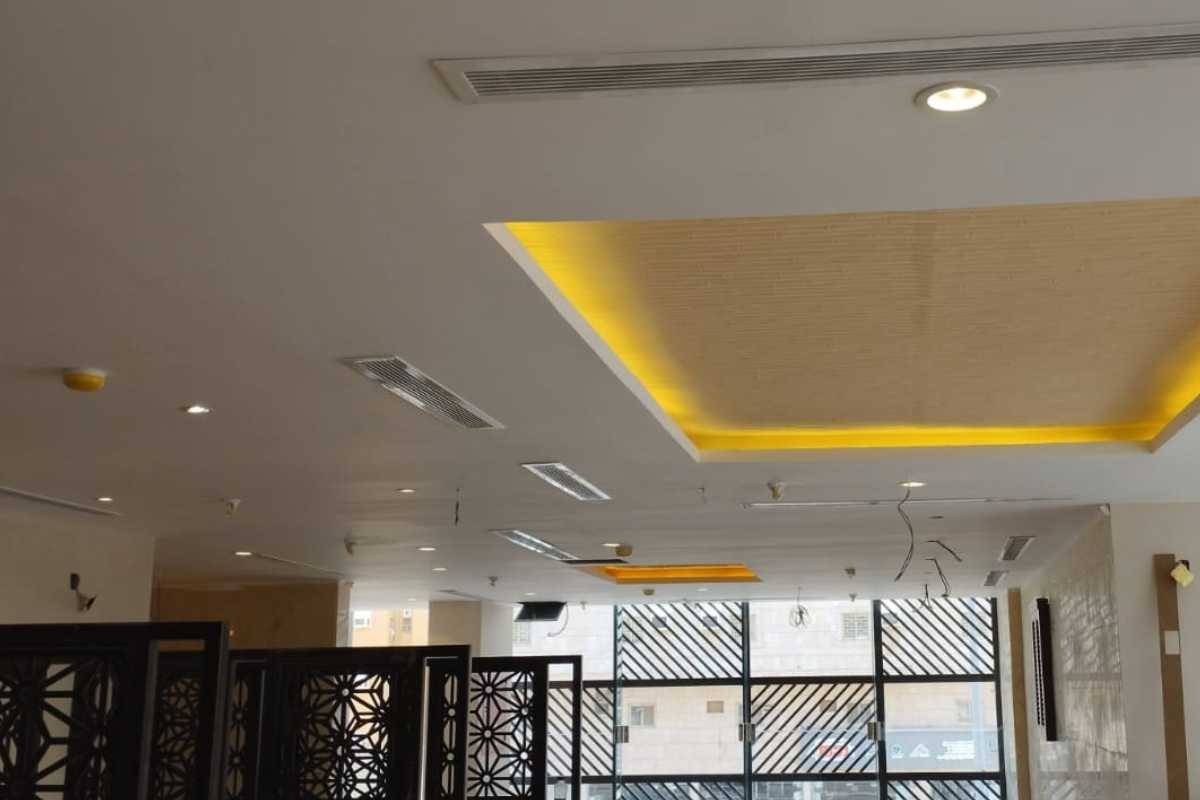
Cove lighting
An LED strip in a side channel that lights the ceiling, not the eye.
Recessed LED lines
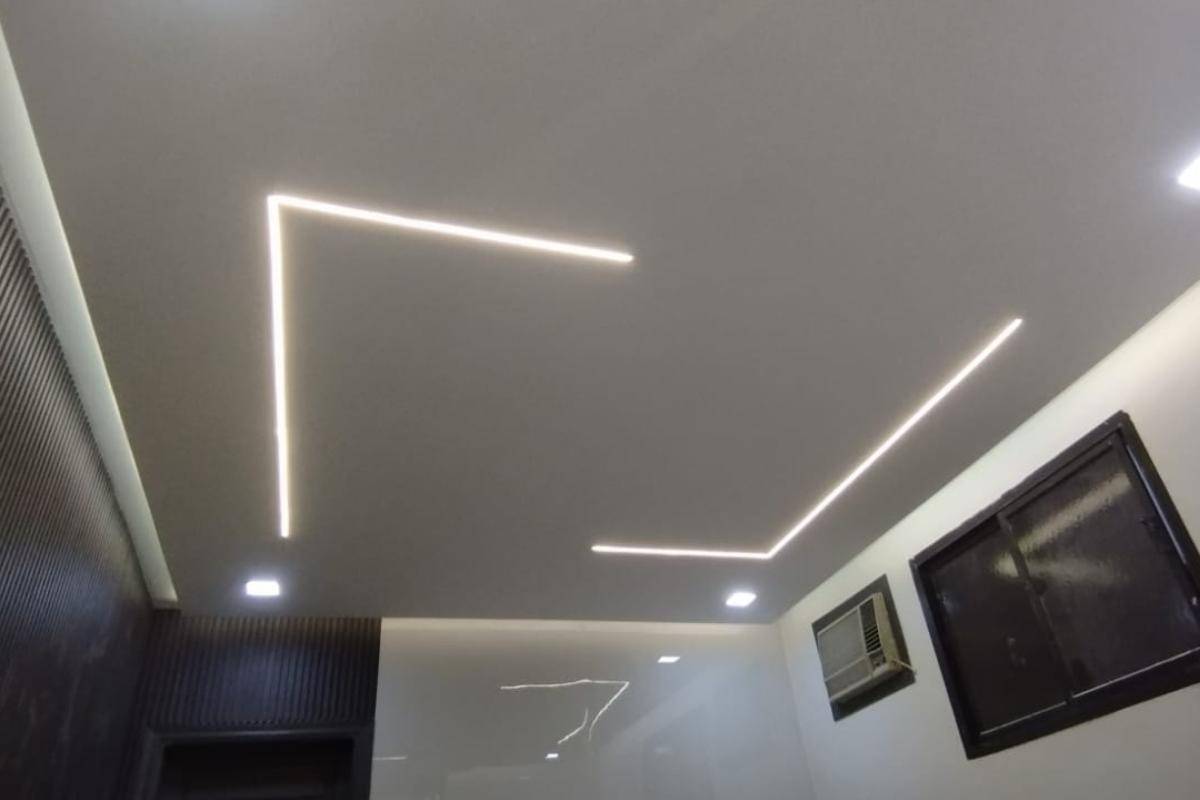
Aluminium profiles set into the gypsum with a diffuser, including angles and turns.
Spotlights and downlights
On a regular grid, with a chosen beam angle and colour temperature.
Concealed and linear lighting
How we build it
Lighting plan
We mark light positions on the ceiling plan and choose warm or neutral light for each space.
Channels and profiles
Cove channels and profile slots are formed in the gypsum to the right size.
Install and test
Wired, fitted and tested before the final coat, then adjusted after finishing.
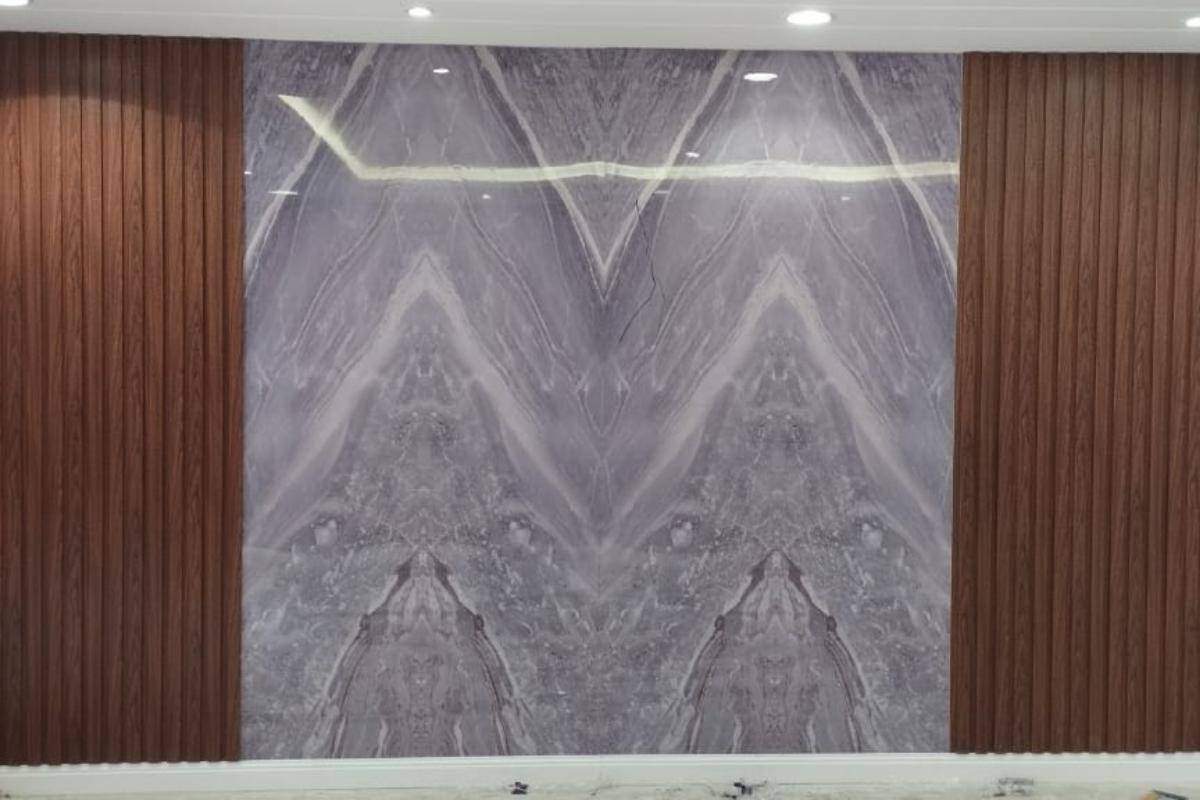
From our projects
Real work, photographed on site.
Knowledge
Read before you decide
The cove lighting guide: designing and building concealed light in ceilings and walls
How concealed lighting in gypsum ceilings and walls is designed and built: cove dimensions, strip type, density, colour temperature, drivers, and avoiding hotspots and shadows.
Read the article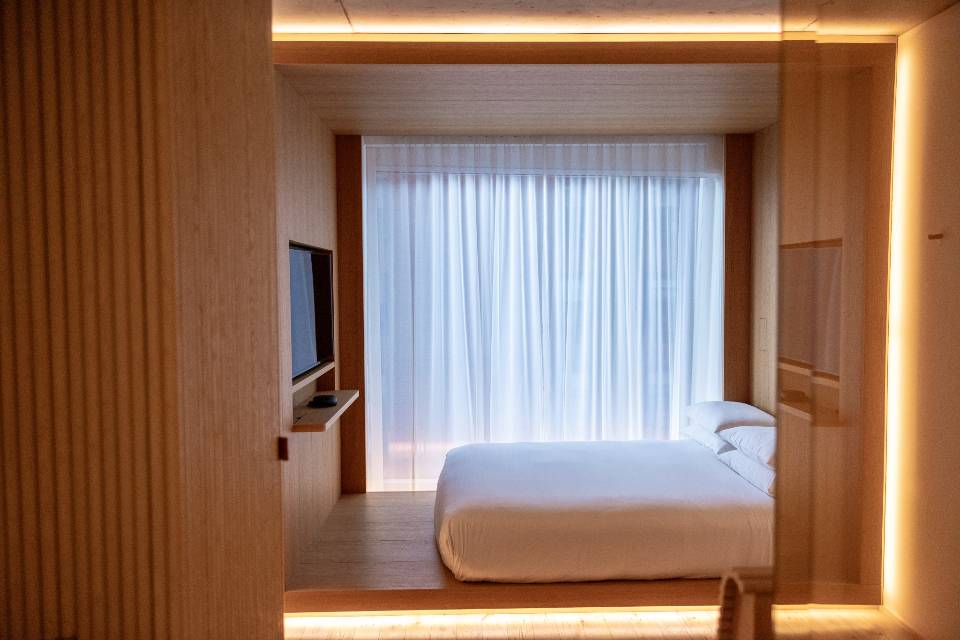
Bedroom ceilings and lighting: calm comes first
How to design a bedroom ceiling and its lighting: no downlights over the bed, warm cove light, reading and wardrobe light, hidden curtain tracks, and control from the bed.
Read the article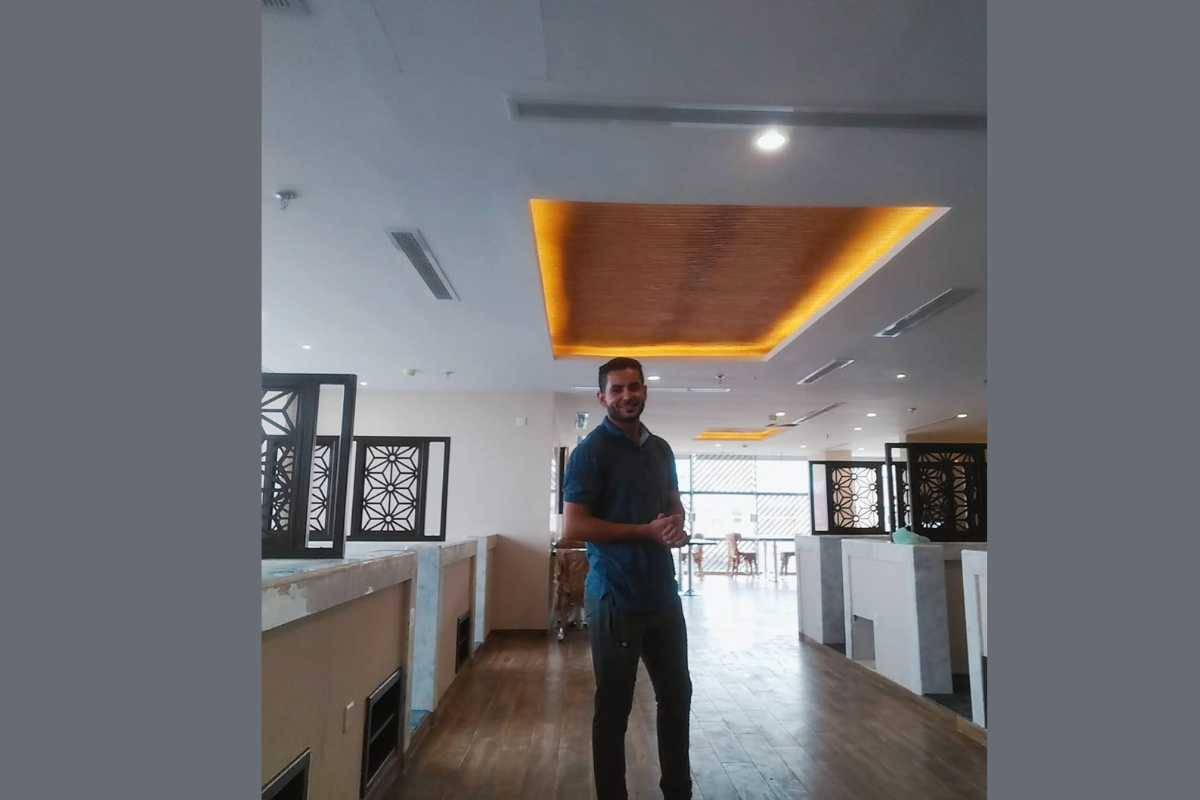
Colour temperature in kelvin: warm, neutral or cool for every room
What 2700, 3000, 4000 and 6500 K mean, which suits bedrooms, living rooms, kitchens, offices and shops, the colour rendering index (CRI), and why you should not mix them.
Read the article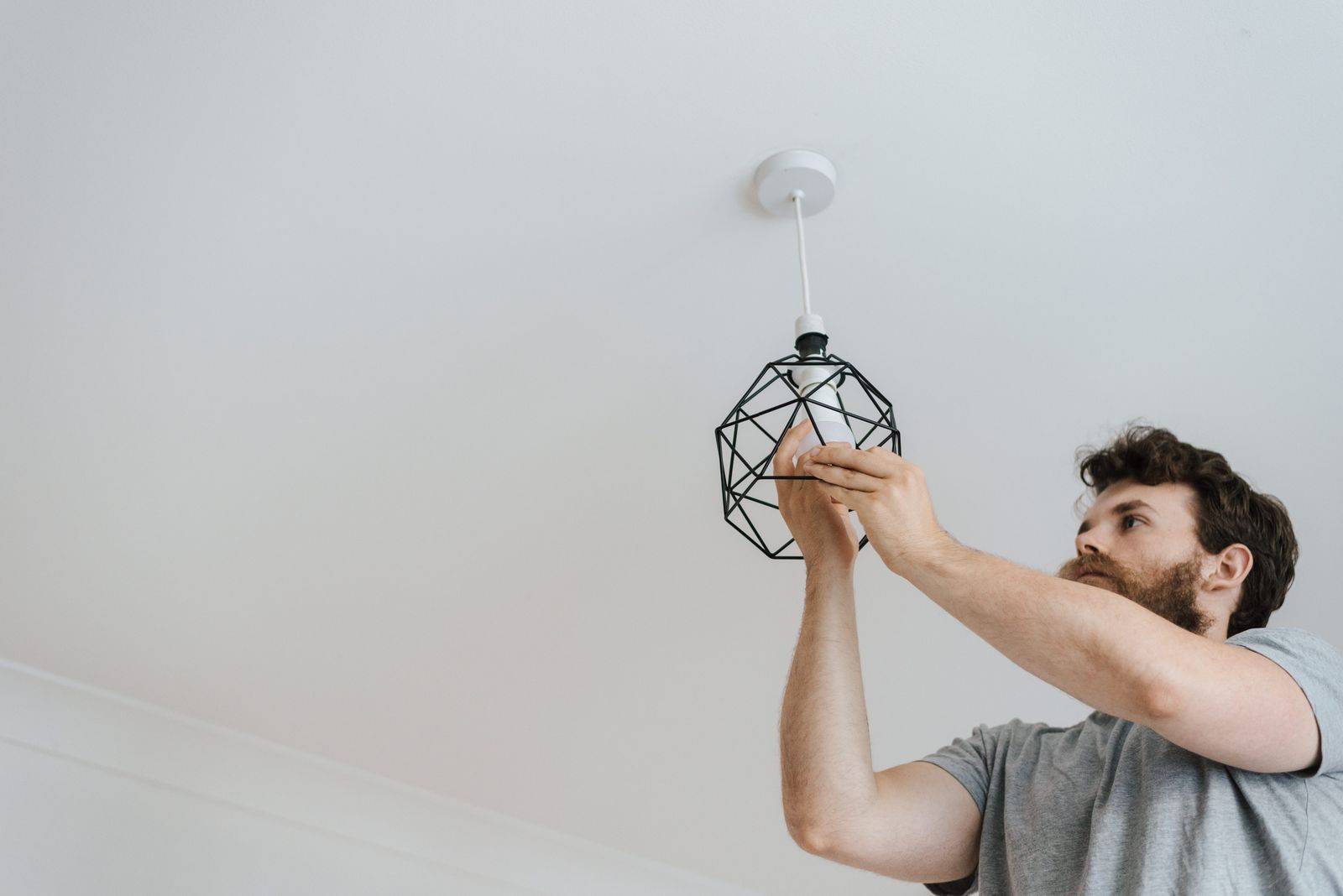
LED drivers: choosing the rating, type and location
A guide to LED drivers: constant voltage and constant current, sizing with a safety margin, dimming, moisture protection, ventilation and a location that makes maintenance easy.
Read the article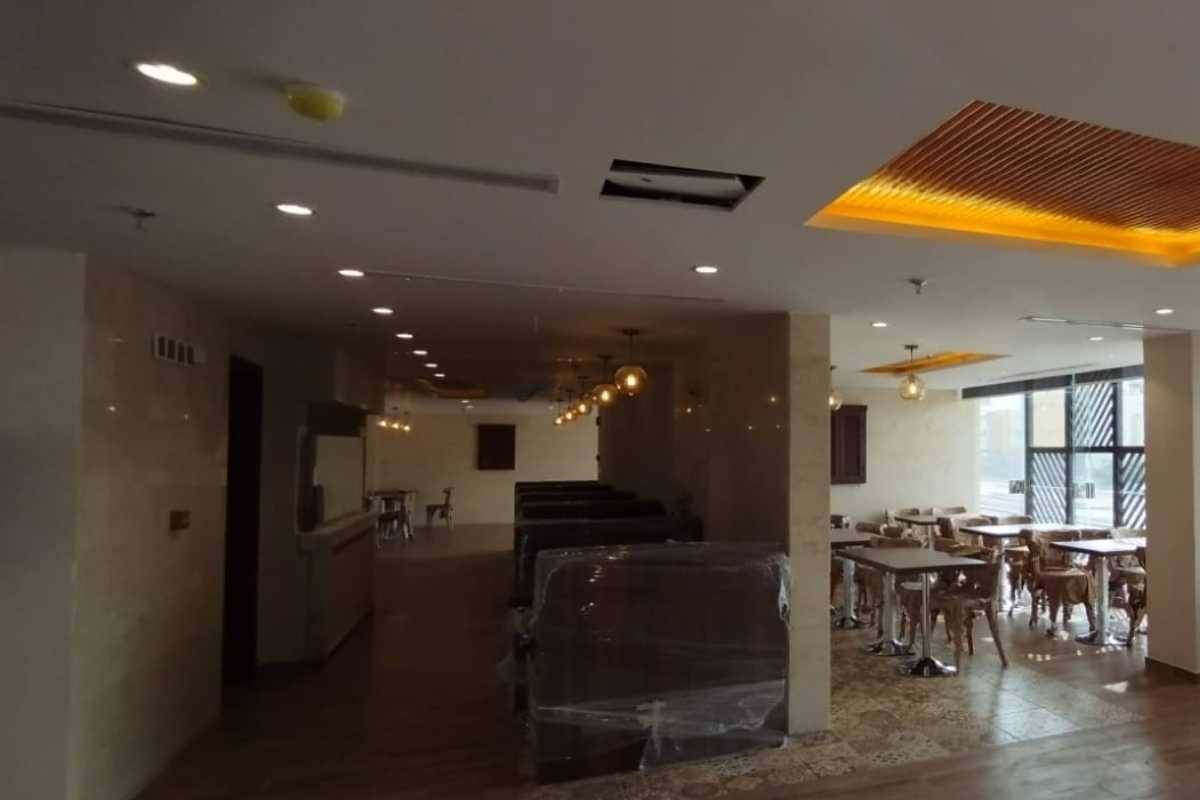
LED strip problems: dimming, flicker and colour mismatch, and their fixes
Diagnosing cove-lighting strip problems: a dim far end, flicker, colour differences between sections, partial failure and hot drivers, and the right fix for each.
Read the article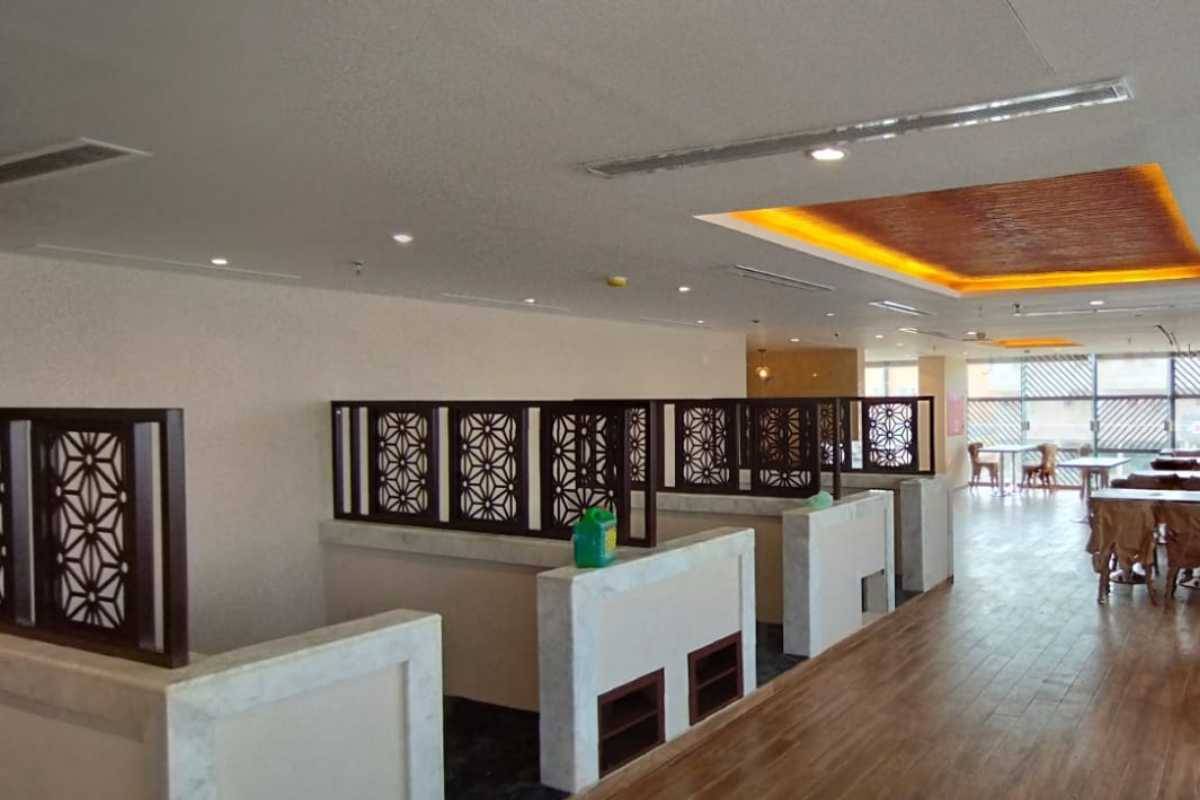
Lighting restaurants and cafés: atmosphere, food colour and guest comfort
How to design restaurant and café lighting: layers, colour temperature, high CRI for food, light over tables, dimming from lunch to dinner, and the frontage.
Read the articleQuestions
Questions about Concealed and linear lighting
Why can I see dots in the LED strip?
Because the strip is too close to the surface it lights, or has no diffuser. We leave enough depth in the channel or use a profile with a diffuser.
Which colour temperature should I choose?
Warm (about 3000 K) for living rooms, majlis and restaurants; neutral (about 4000 K) for offices, kitchens and shops. We show a sample on site before installing.
Have a space or a drawing? Start with a site visit.
Tell us the type of space and its approximate size, and we will get back to you to book a time.