Lighting restaurants and cafés: atmosphere, food colour and guest comfort
How to design restaurant and café lighting: layers, colour temperature, high CRI for food, light over tables, dimming from lunch to dinner, and the frontage.
Arkan Almajara team · · 2 min read
The short answer
A restaurant's lighting makes its atmosphere: warm light (2700–3000 K) with a high CRI that flatters food and faces, more focused light over tables than walkways, cove light that fills the space softly, and dimming that changes the mood from day to night.
- CRI 90 or above over tables, because the colour of food is part of the experience.
- Tables are brighter than walkways, so each one feels private.
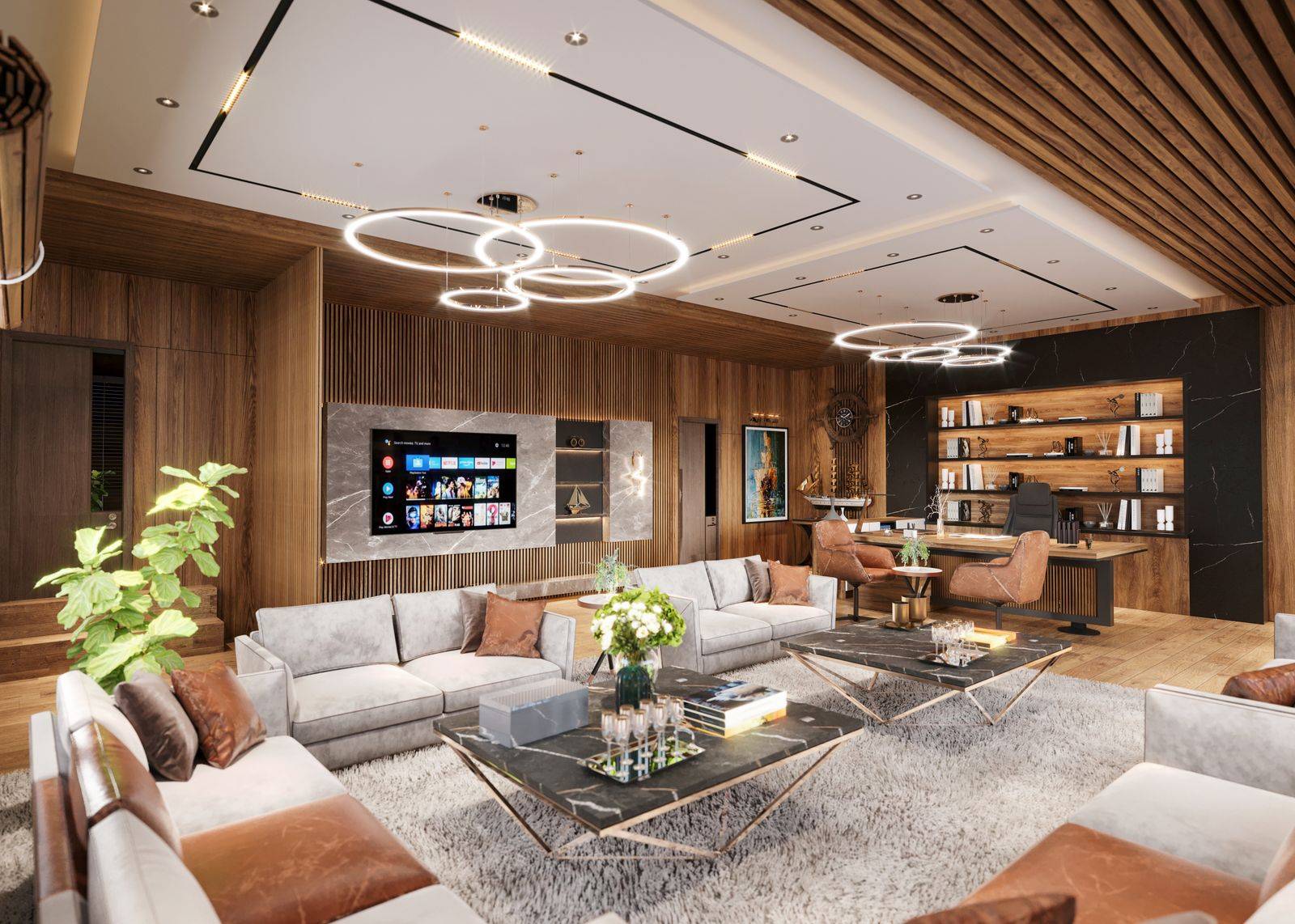
- Cove light gives warmth; pendants define zones.
- Dimming and scenes are essential between lunch and dinner.
Guests remember how a place felt before they remember its décor. Lighting does more than anything to create that feeling, and it is often the most neglected part of a restaurant’s design.
Layers in a restaurant
| Layer | Tool | Role |
|---|---|---|
| Soft ambient | Cove light in ceilings and walls | Warmth and depth |
| Over tables | Pendants or adjustable downlights | Light on food and faces |
| Accent | Feature wall, shelves, art | The place’s identity |
| Walkways | Lower light | Separates tables and gives privacy |
| Counter and buffet | Stronger, high-CRI light | Shows what is on display |
Food and faces
Warm light with a high CRI makes food look natural and appetising and faces comfortable. Cool light or a low CRI makes food look dull and skin grey. Read colour temperature.
From our projects
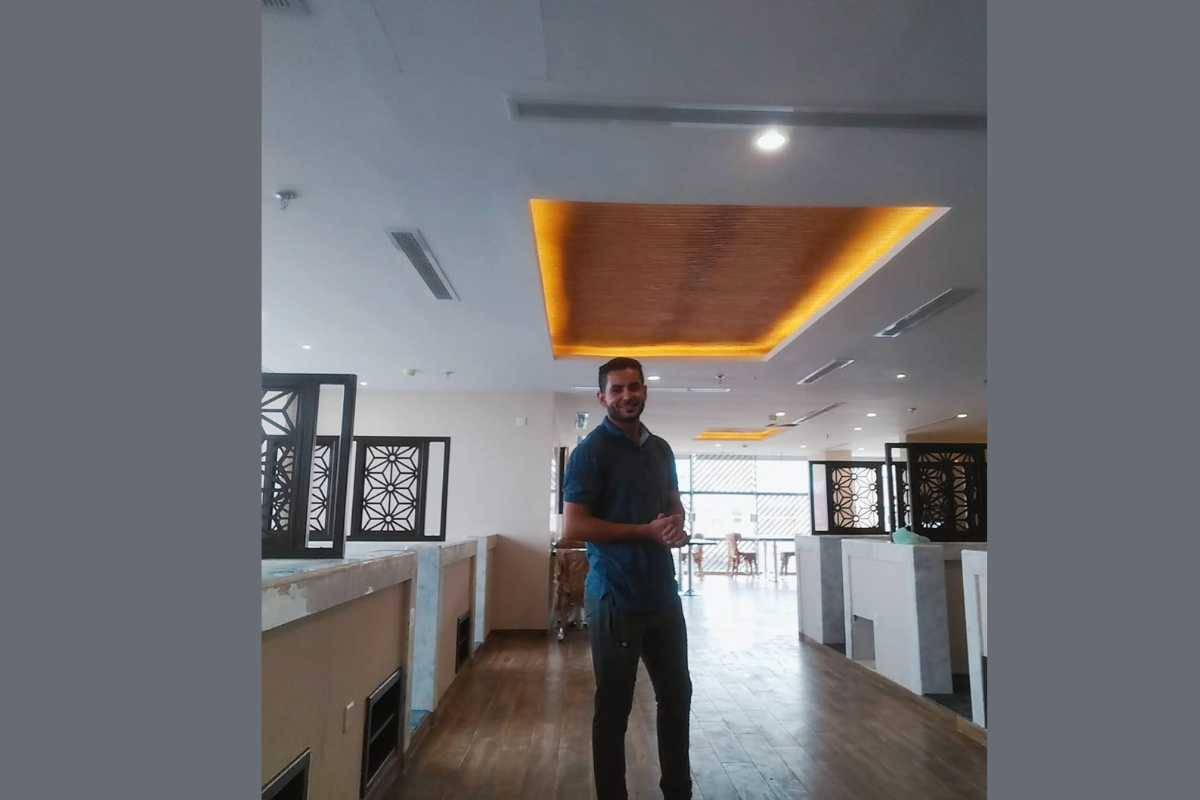
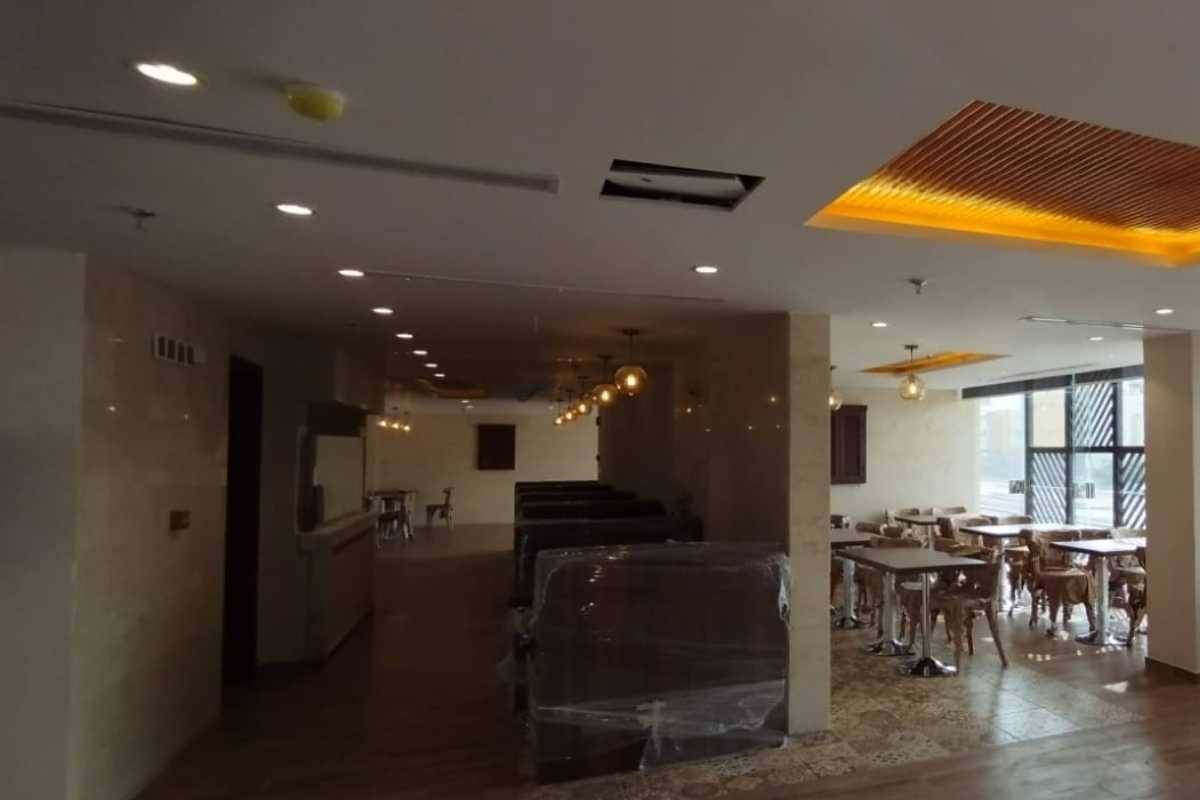
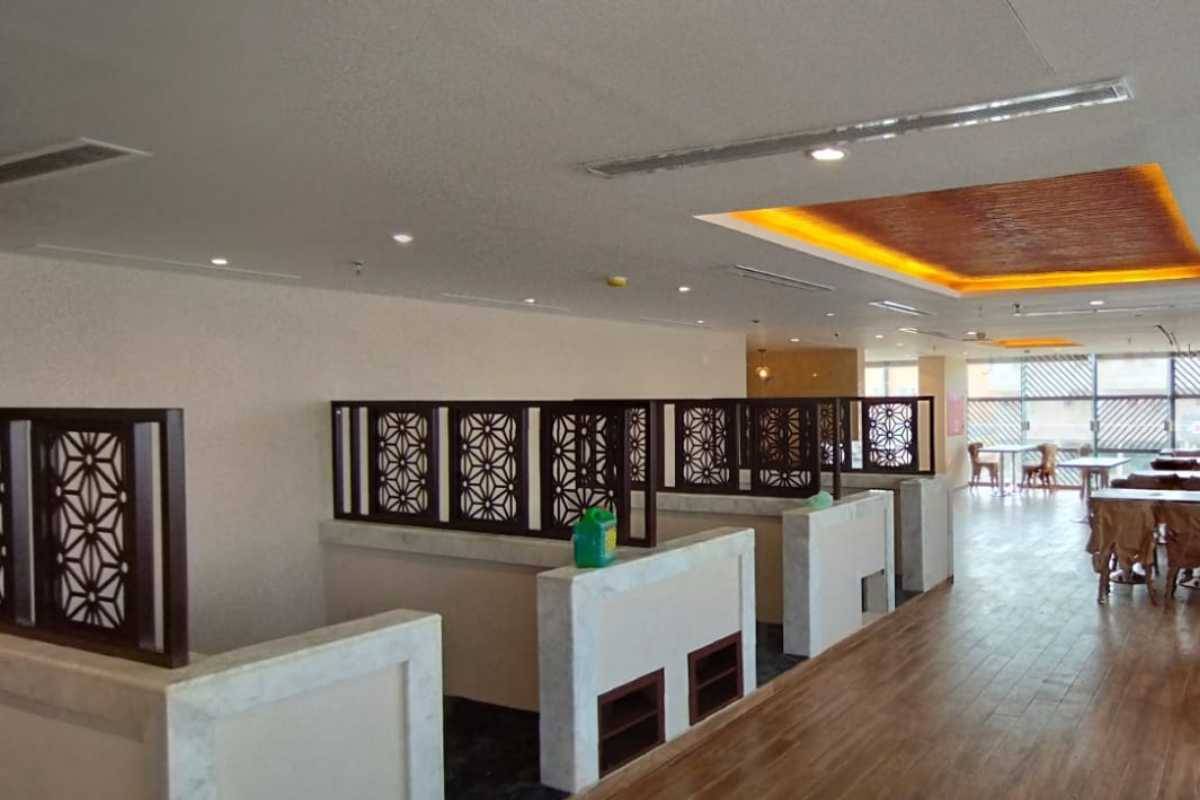
In dining halls for a hotel group, a stepped ceiling over the buffet stations with cove light and pendants made the buffet a lit draw within a calmer hall. In a restaurant dining hall, amber cove light in recessed ceilings over carved timber screens gave the space its warmth at night.
Control
- Scenes for lunch, dinner and closing.
- Dimming compatible with the drivers. Read LED drivers.
- Separate bright cleaning light after hours.
The frontage
A lit sign and a glazed front showing a warm interior in the evening draw passers-by more than any board.
Read the restaurant fit-out guide. The service: lighting.
Frequently asked questions
Is dim lighting better for a restaurant?
It depends on the concept. Fast-casual places and daytime cafés need clearer light; fine dining at night is warmer and lower. But even dim schemes need enough light on the table to read the menu and see the food.
What about the commercial kitchen?
Strong neutral light with a high CRI, and fittings suited to steam and grease and to safety and hygiene requirements.