Drywall partitions and acoustics
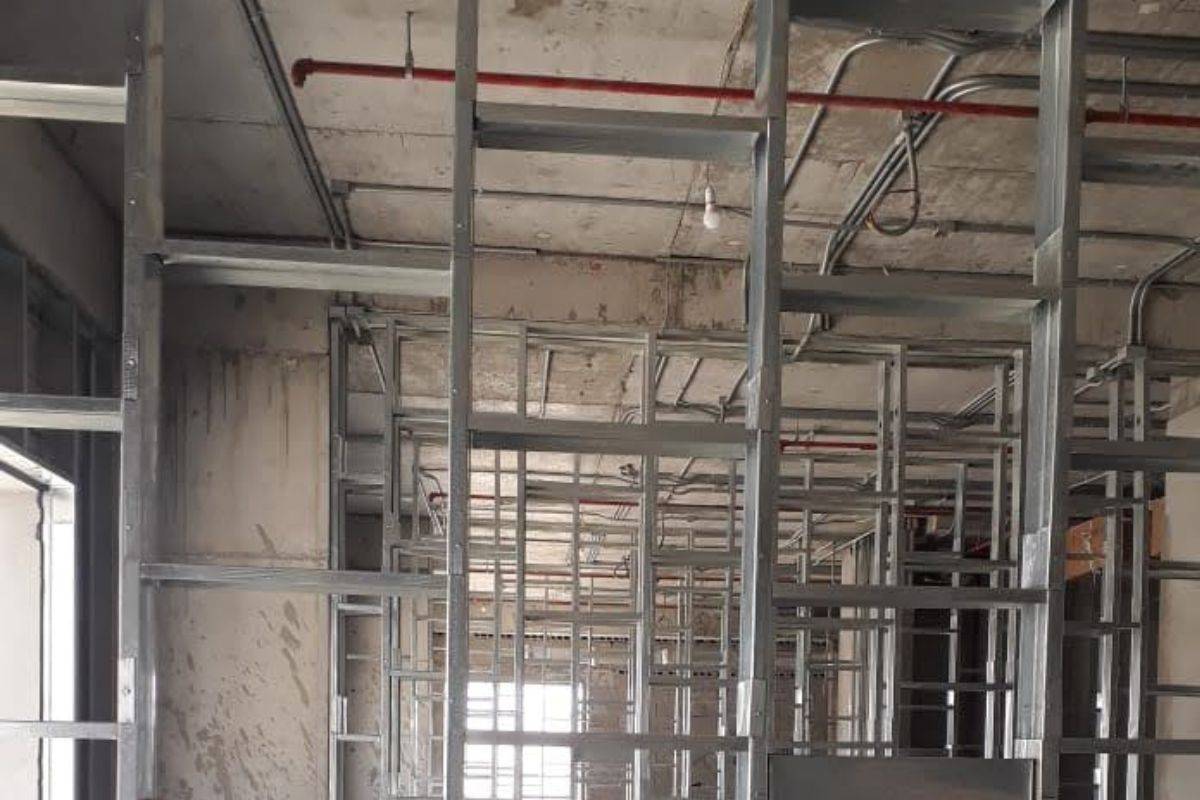
A drywall partition is a full wall built in days rather than weeks: galvanised steel studs, a rock- or glass-wool core and one or more boards on each face. We choose the number of layers and the board type by what the wall has to stop: sound, fire or moisture.
Where it is used
- Offices and meeting rooms
- Patient rooms, clinics and hospital corridors
- Hotel rooms and serviced apartments
- Shops, stores and plant rooms
Guide price
We price after the site visit, because quantity, height and material change the cost a great deal.
Drywall partitions and acoustics
Types and options
Single board each side
For general division where high sound insulation is not required.
Double board each side with rock wool
For meeting rooms, clinics and bedrooms; far better sound insulation than an empty partition.
Fire-rated partition
Fire-rated boards and sealed joints, for corridors and escape routes.
Moisture-resistant partition
Green board in bathrooms, kitchens and laundries.
Drywall partitions and acoustics
How we build it
Setting out
We mark the partition line and door openings on floor and soffit before any track is fixed.
Tracks and studs
Fixed head and floor tracks, studs at set centres, and backing wherever something will hang.
Services and insulation
Power and data run inside the frame, then the insulation goes in without gaps.
Boarding and finish
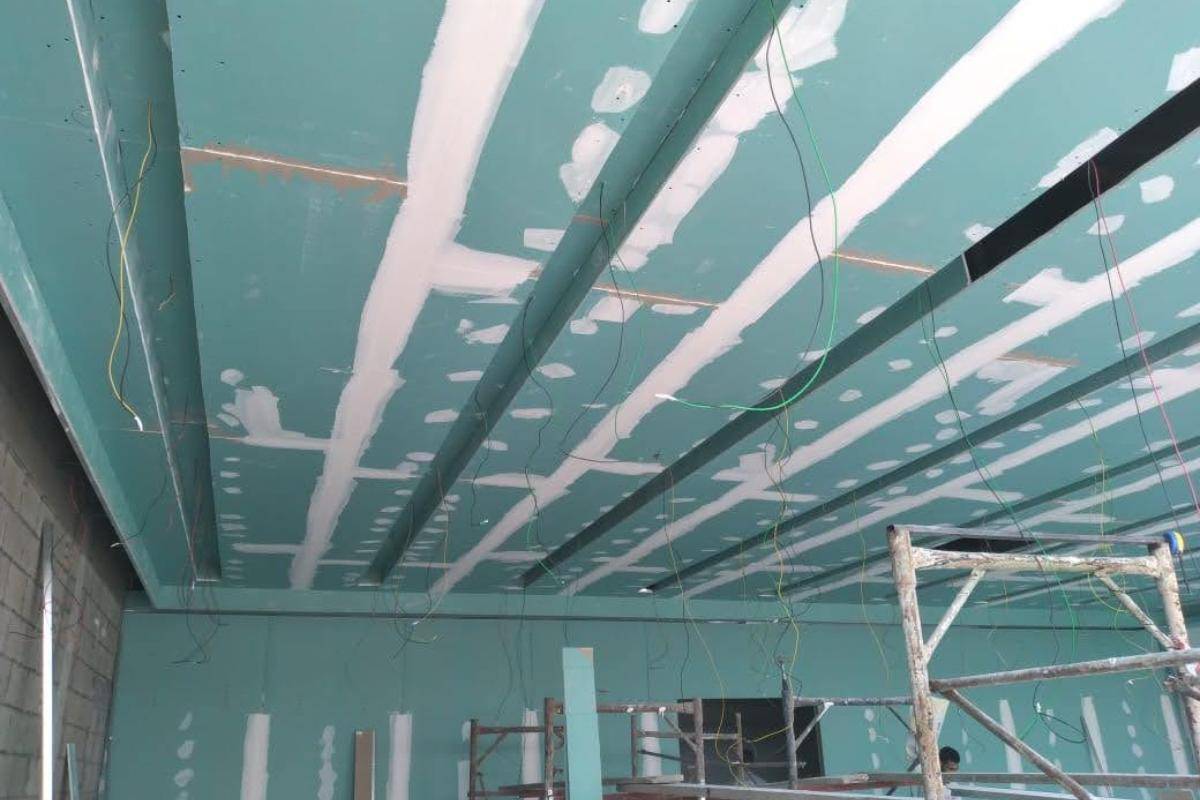
Boards with staggered joints between layers, then jointing and paint.
From our projects
Real work, photographed on site.
Knowledge
Read before you decide
Acoustics for meeting rooms and clinics: walls and ceilings together
How to insulate a meeting room or clinic acoustically: insulation versus absorption, the role of partition, ceiling, doors and AC, and where sound usually leaks.
Read the article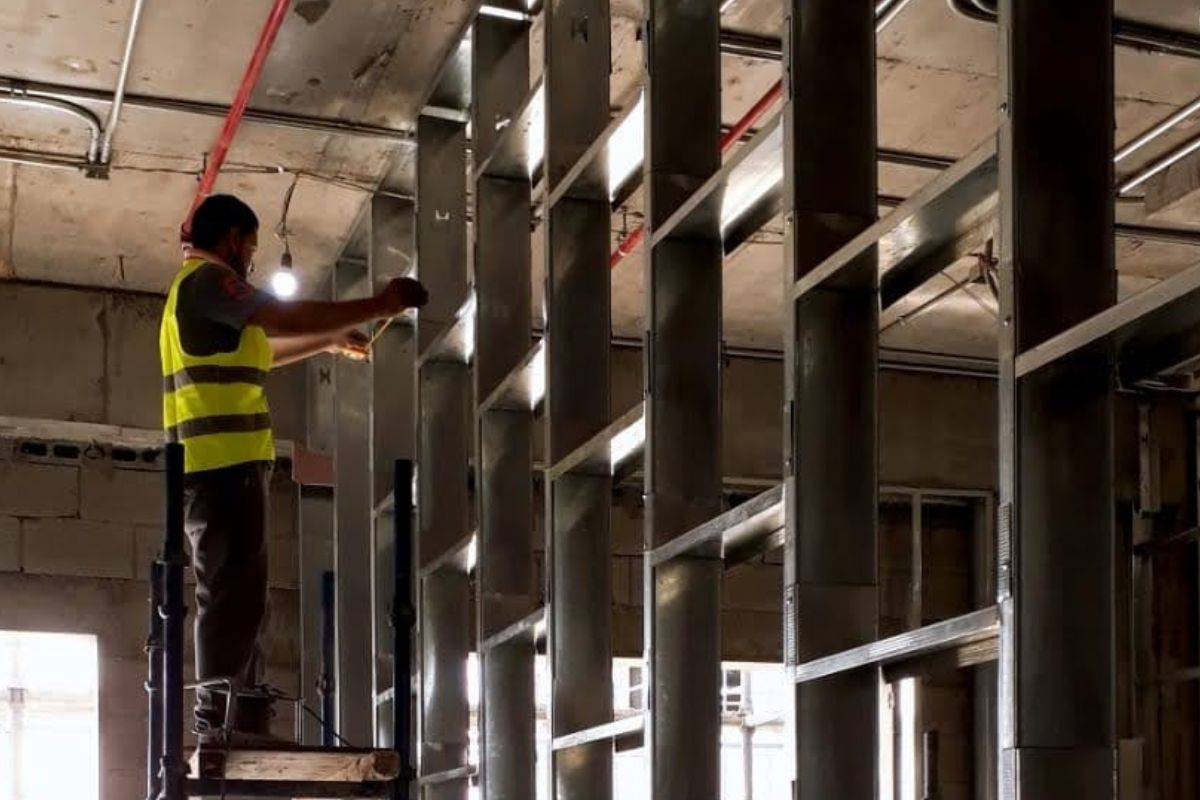
Drywall partitions or blockwork? A comparison for offices, clinics and homes
Gypsum board partitions and internal block walls compared: speed, weight, sound insulation, services, hanging loads and flexibility to change later.
Read the article Fire-rated gypsum: what 60 minutes means and how it is achieved
How fire-rated gypsum board systems work in ceilings and partitions, why the rating belongs to the whole system rather than the board, and what civil defence checks.
Read the article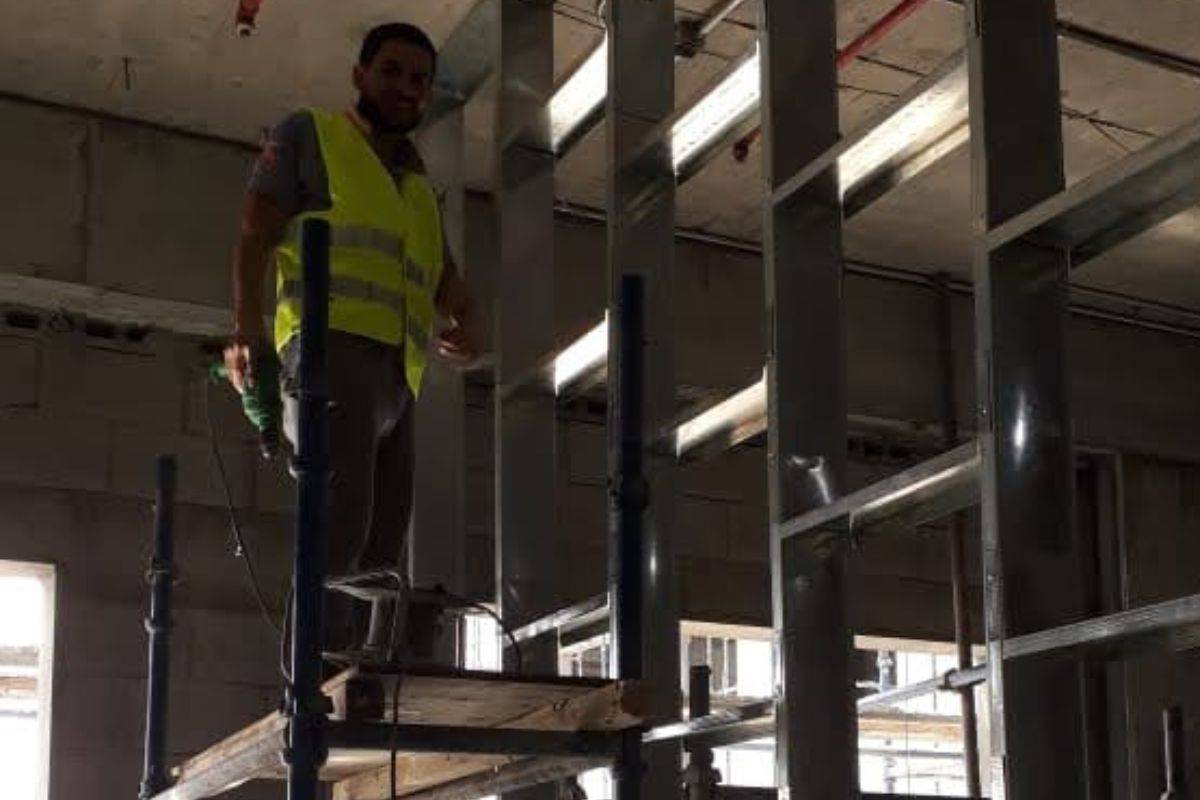
Partitions and ceilings in hospitals: precision, safety and coordination
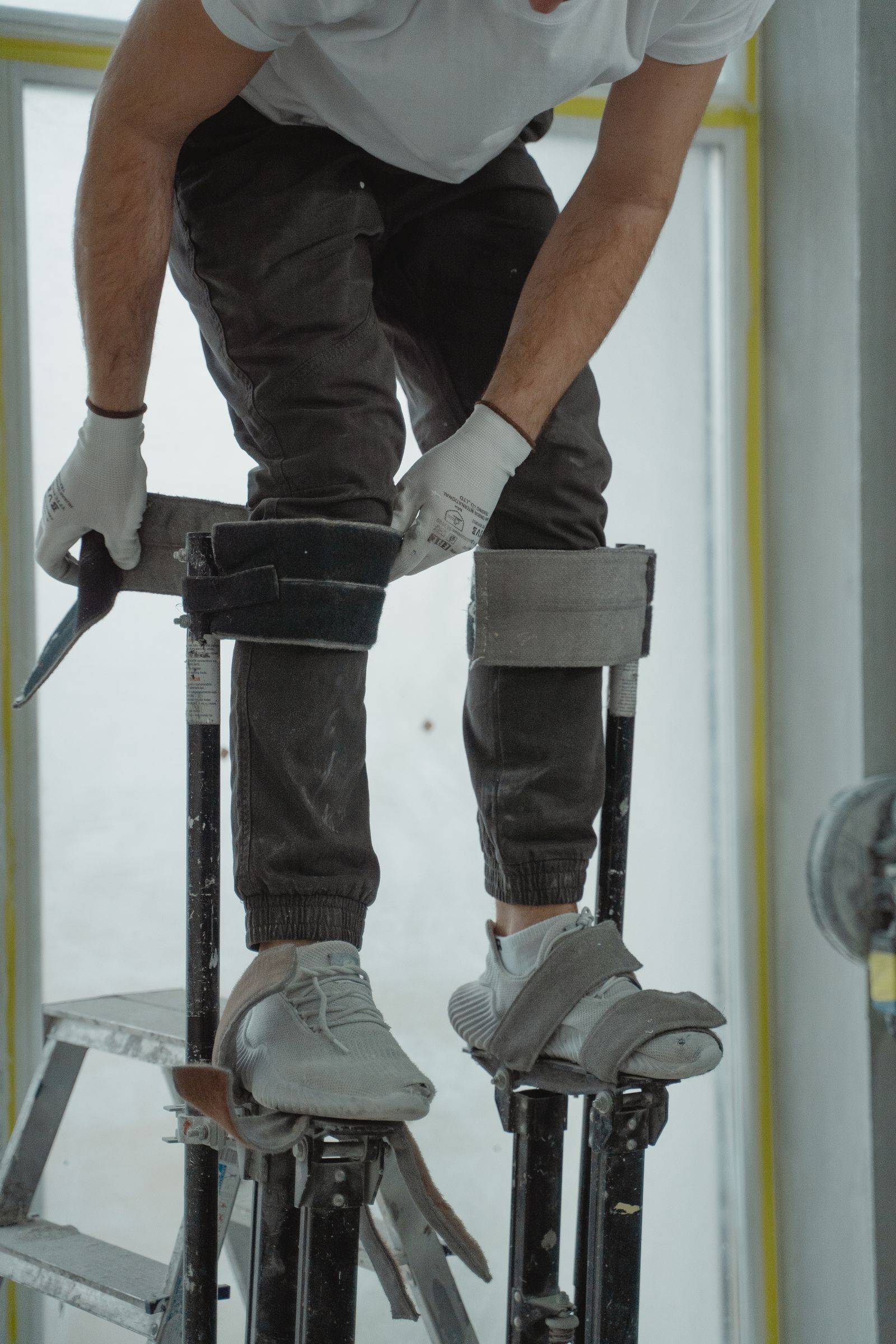
The challenges of building gypsum partitions and ceilings in hospitals: tall studs and scaffolds, fire-rated walls, dense services, and working on a tightly run site.
Read the articleQuestions
Questions about Drywall partitions and acoustics
Is a drywall partition strong enough for a TV or wall cabinets?
Yes, if it is planned: we fit timber or steel backing inside the frame where things will hang, before boarding. That is why we ask about wall-hung furniture at the site visit.
Does it insulate sound like blockwork?
A double-board partition with a rock-wool core insulates well, and can match or beat a block wall depending on the detail. What matters is sealing the head and base, because sound leaks through gaps, not through the wall itself.
Have a space or a drawing? Start with a site visit.
Tell us the type of space and its approximate size, and we will get back to you to book a time.