Rendering by day, dusk and night: why three images of the same room
Why we show every room in three lights in 3D visualisation, what each reveals about materials, colours and artificial lighting, and how it leads to better decisions.
Arkan Almajara team · · 2 min read
The short answer
The same room looks entirely different in the morning, at sunset and at night. Showing it in three lights reveals how colours behave in the sun and how cove lights and chandeliers work at night, and prevents a room that is beautiful by day but dim or cold after dark.
- Daylight reveals true colours and reflections from windows.
- Dusk reveals warmth and long shadows.
- Night tests the whole artificial lighting design.
- Many rooms are used more at night, so the night image is decisive.
One bright image of a room in full daylight can hide the most important question: how will it look at night, when people actually sit in it?
Three lights, three questions
| Light | What it reveals |
|---|---|
| Day | True colours, reflections on glossy surfaces, window glare |
| Dusk | Warmth, long shadows, the balance of natural and artificial light |
| Night | The whole lighting design: coves, downlights, chandeliers, dark areas |
Examples of what it reveals
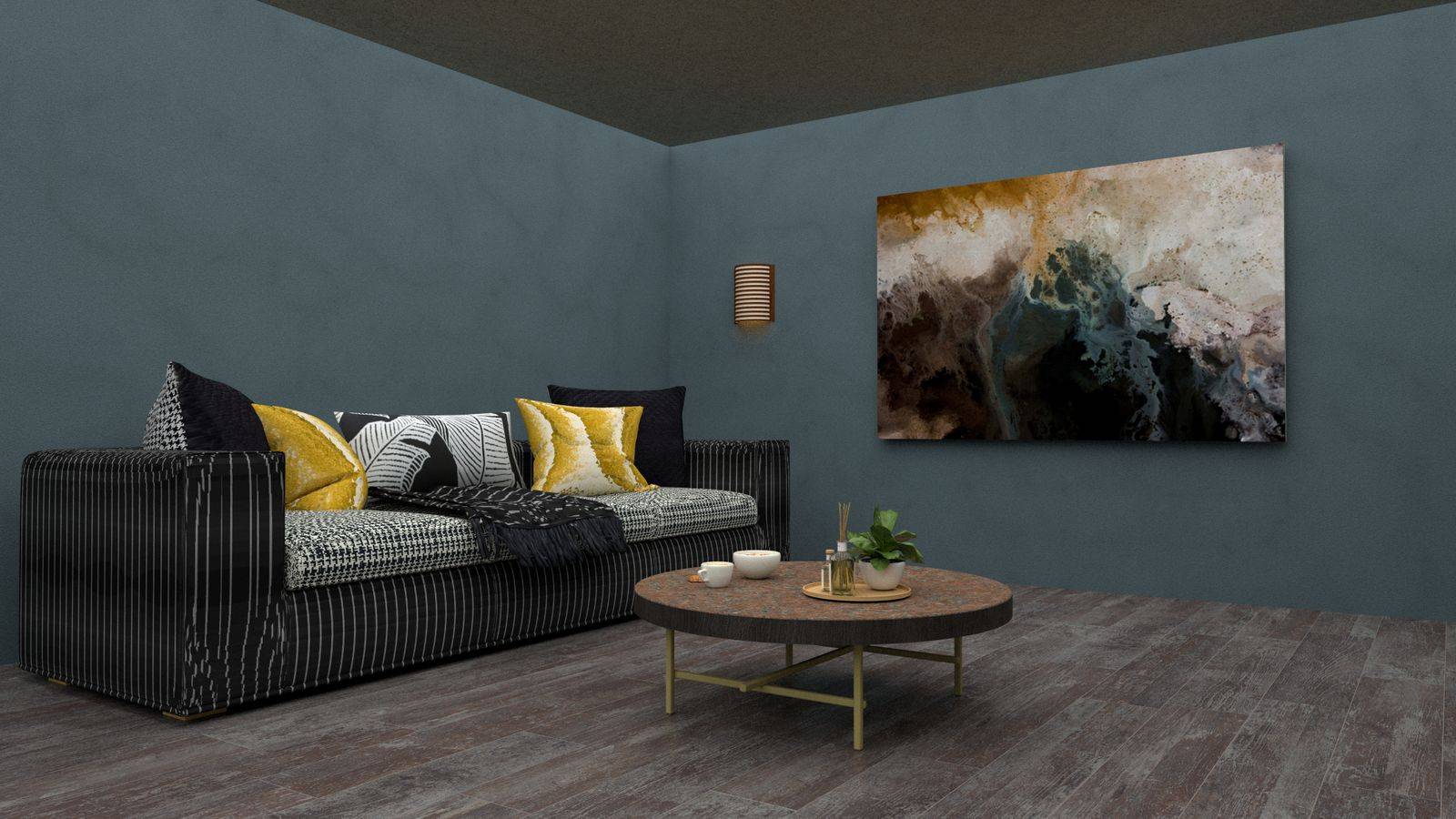
- A grey that looks elegant by day turns greenish under warm light at night.
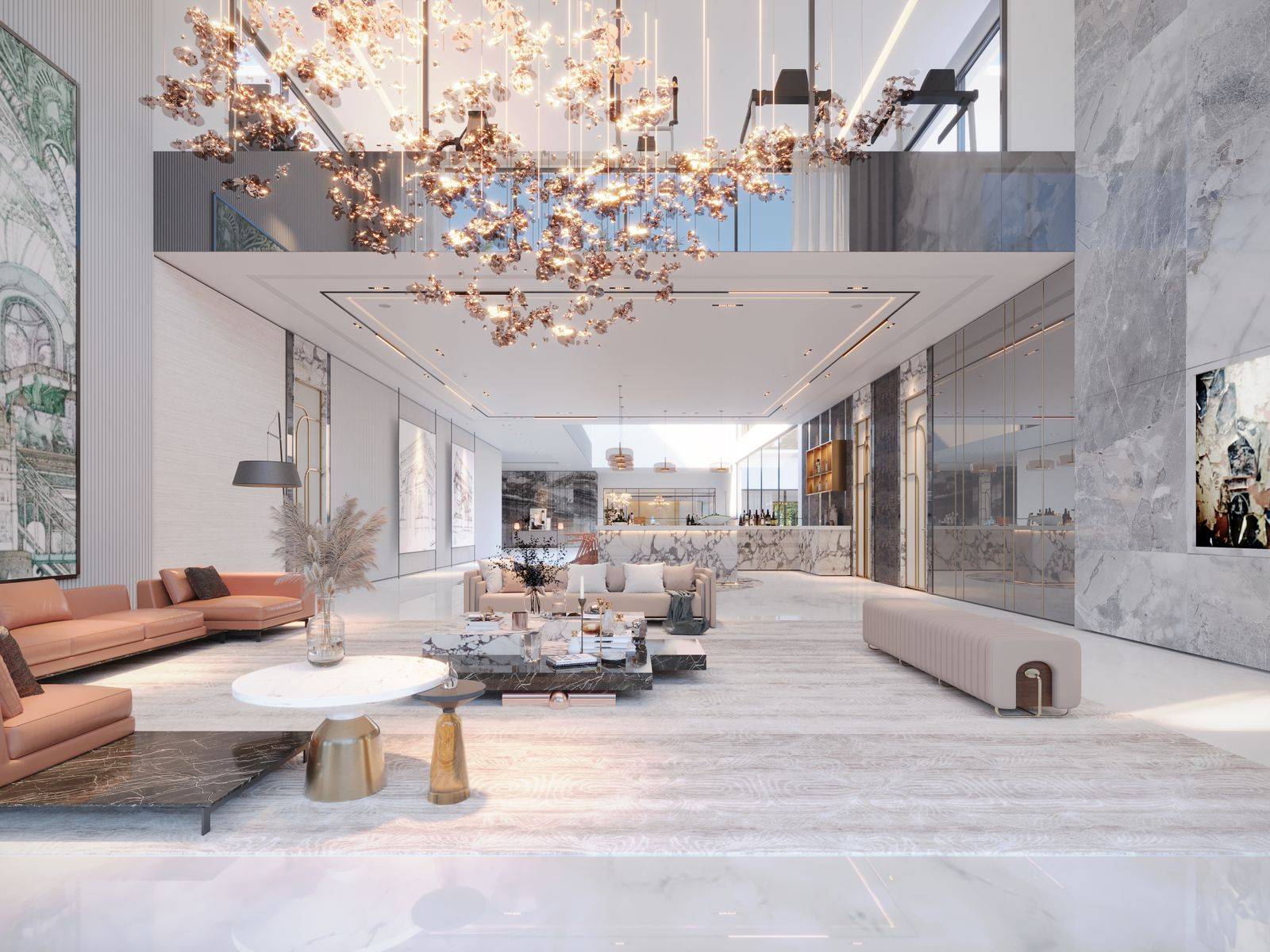
- Glossy marble reflects the windows harshly by day.
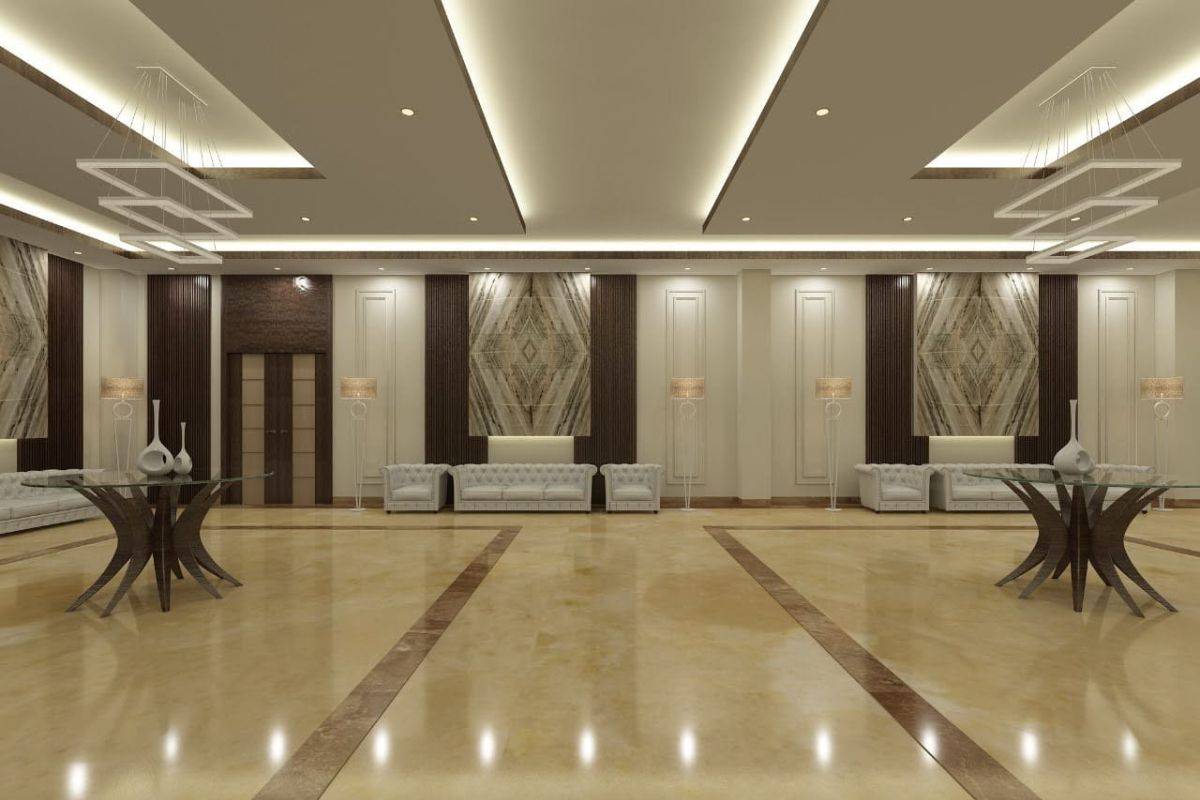
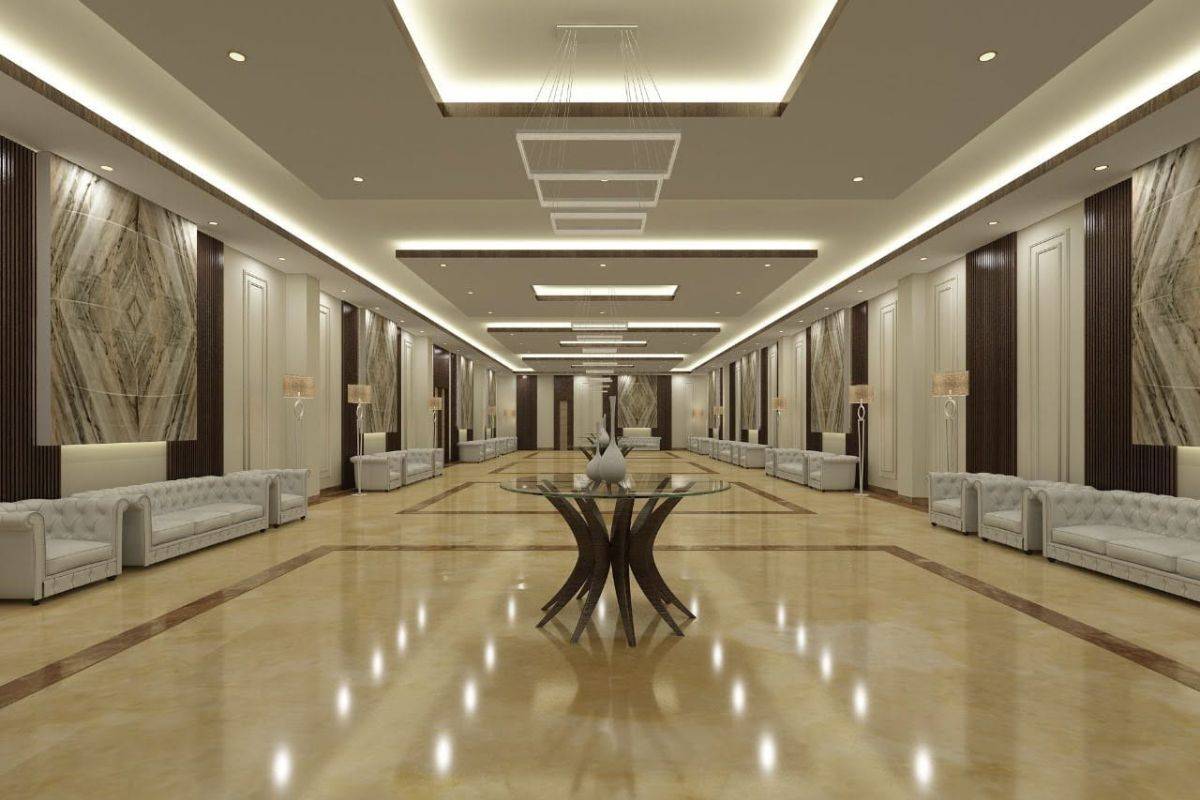
- A ceiling with cove light looks wonderful at night while the main wall stays dark, because nothing washes it.
- A corridor sunny by day and gloomy at night.
From image to decision
We show the three images side by side, with the option of two alternatives for a material or colour. The decision is made on what you will live with, not on the best moment of the day. Read planning lighting with the ceiling and choosing paint colours.
With nqrah design
This is part of how the design studio works with nqrah design: every room from chosen angles, in day, dusk and night light. See the design studio.
Read why 3D visualisation. The service: interior design and 3D visualisation.
Frequently asked questions
Is the lighting in the night image accurate?
It is built with the planned light positions and colour temperatures, so it gives a very close idea of distribution and mood. Exact intensity depends on the products chosen for the build.
Can different lighting be tried in the visualisation?
Yes, such as two colour temperatures or two layouts side by side, before choosing products.