PVC, WPC or SPC panels? The difference between polymer cladding materials
A clear comparison of PVC, WPC and SPC panels used to clad walls and ceilings: make-up, rigidity, moisture, heat, and interior versus exterior use.
Arkan Almajara team · · 2 min read
The short answer
PVC is a light, flexible plastic; WPC mixes wood fibre with polymer for a timber look and feel; SPC mixes stone powder with polymer and is stiffer and more stable. All three absorb almost no water, and the choice depends on the look, rigidity and interior or exterior use.
- PVC: lightest and usually cheapest, for light interior cladding.
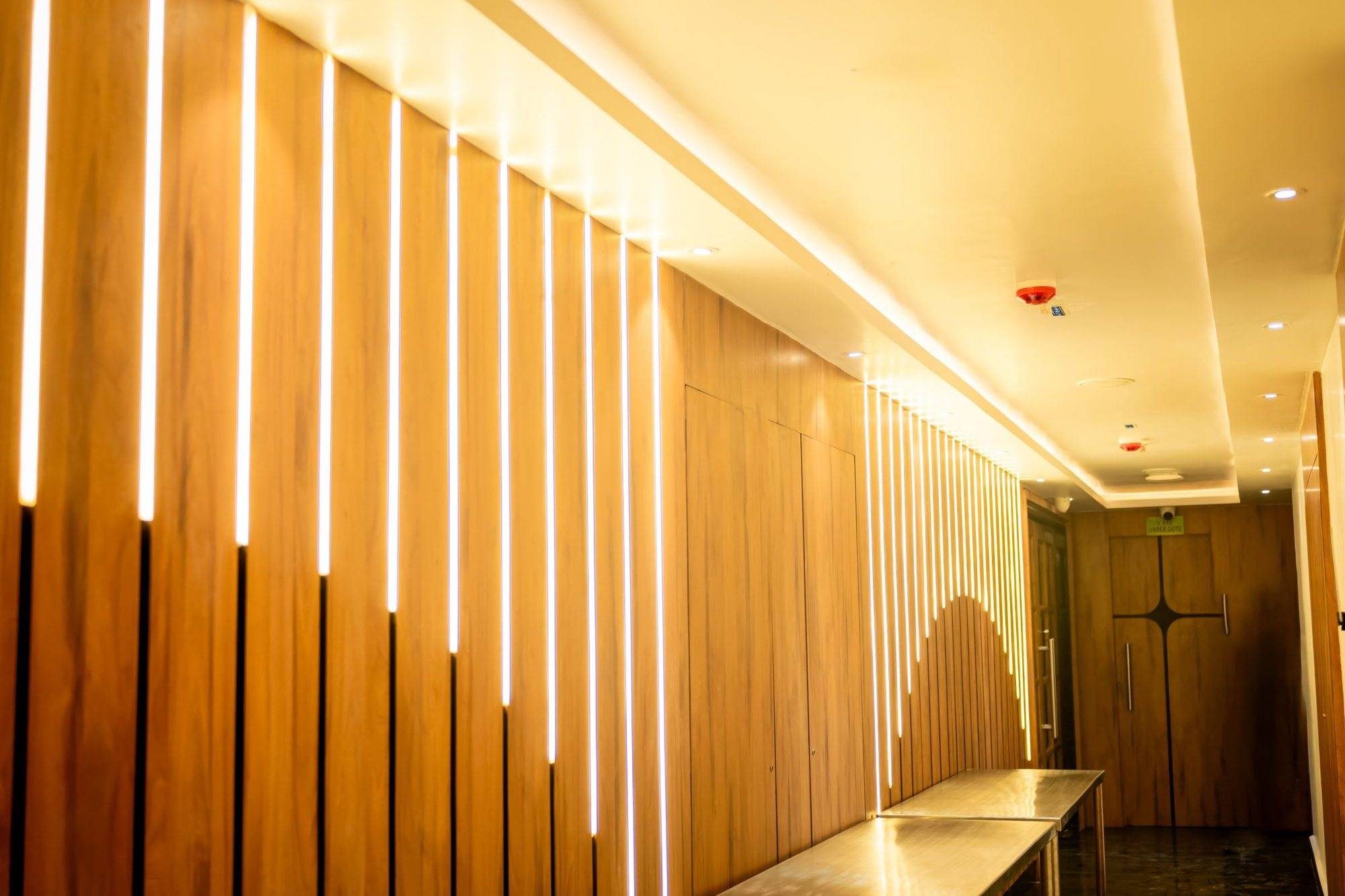
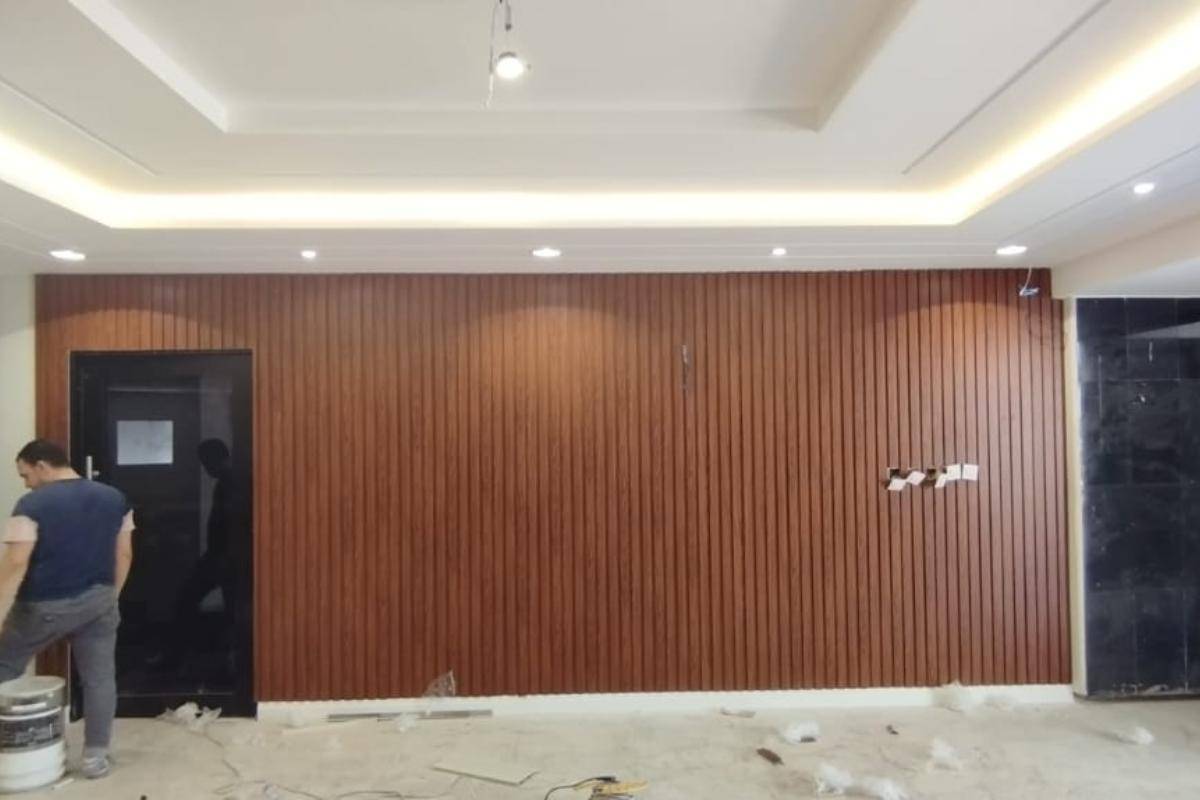
- WPC: timber texture, for slats and cladding, with exterior grades available.
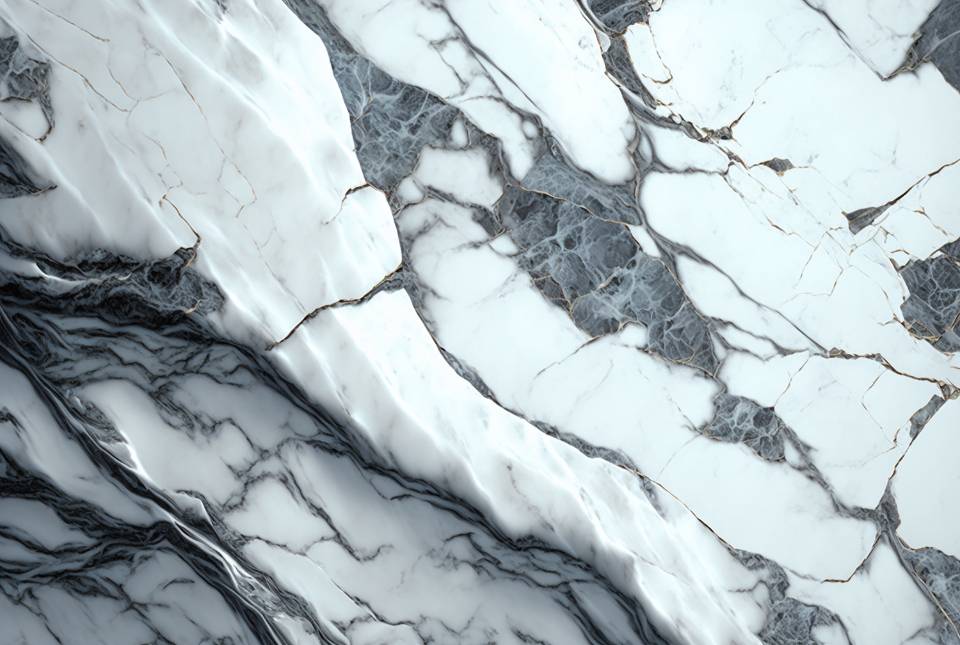
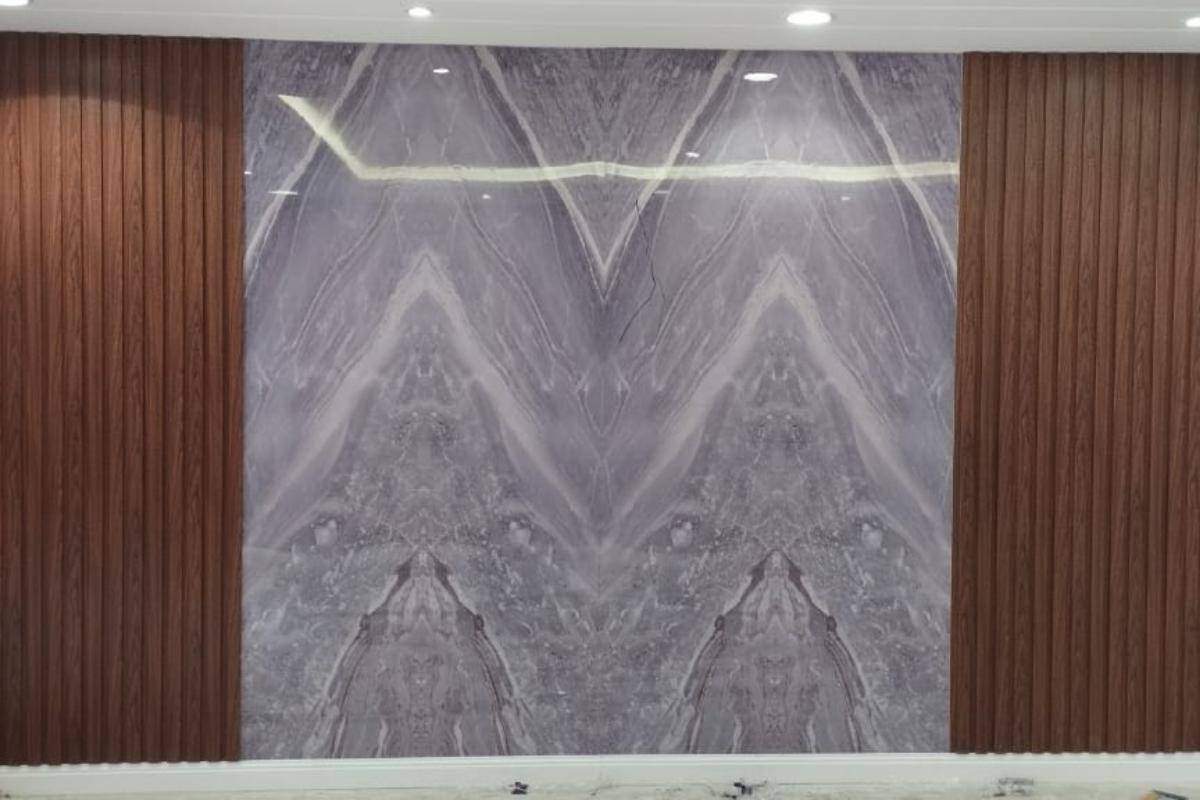
- SPC: stiffest and most dimensionally stable, for large marble-alternative sheets.
- Ask for the manufacturer's data: thickness, density, use and warranty.
In quotes and showrooms you will hear three terms again and again: PVC, WPC and SPC. All are polymer panels, but they are not the same thing.
The comparison
| PVC | WPC | SPC | |
|---|---|---|---|
| Make-up | PVC polymer and additives | Wood fibre + polymer | Stone powder + polymer |
| Weight | Very light | Medium | Heavier |
| Rigidity | Flexible | Medium | Stiff |
| Stability with heat | Lowest | Medium | Best of the three |
| Common look | Printed panels, marble, colours | Timber: slats and flutes | Marble and stone in large sheets |
| Exterior use | Limited | Treated exterior grades exist | Usually interior |
| Moisture | Does not absorb | Almost none | Does not absorb |
When to choose each
- PVC: light interior cladding, bathroom and kitchen ceilings with dedicated panels, tight budgets.
- WPC: slat and fluted walls, timber ceilings, and exterior cladding in the treated grade. Read the wood alternative guide.
- SPC: large marble-alternative sheets on walls, where a flat, stiff surface that does not wave is needed. Read the marble alternative guide.
Questions to ask the supplier
- What is the sheet thickness and the protective layer?
- Is it for interior or exterior use?
- What is the expansion coefficient and the recommended installation gaps?
- Which adhesive or fixing system is approved?
- What is the fire classification, if the project is commercial?
- What is the warranty and its conditions?
What the material’s name does not tell you
Print quality, protective-layer thickness and edge precision vary widely between factories within the same category. A poor SPC sheet is worse than a good PVC one. Ask for a sample and look at it under side light.
Services: wood alternative and marble alternative.
Frequently asked questions
Which is best for a bathroom?
All three absorb almost no water, but what matters most is a dry, flat substrate, the right adhesive and sealed edges, outside the direct water zone.
Do they take heat?
All are polymers affected by high heat. SPC is more stable than PVC. None go directly behind a hob.