Gypsum board or traditional plaster? A practical comparison for ceilings and walls
Gypsum board ceilings and walls compared with traditional cement or gypsum plaster: speed, weight, services, cracking, repairs, and where each one suits.
Arkan Almajara team · · 2 min read
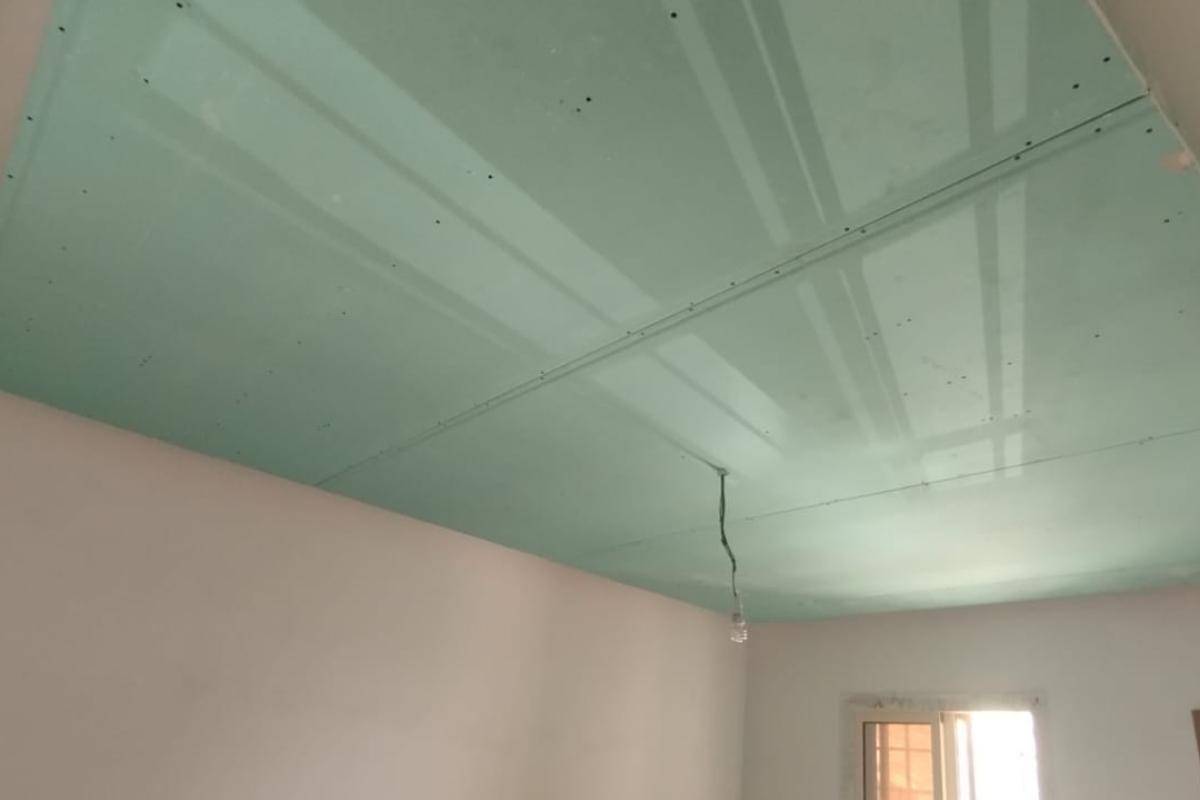
The short answer
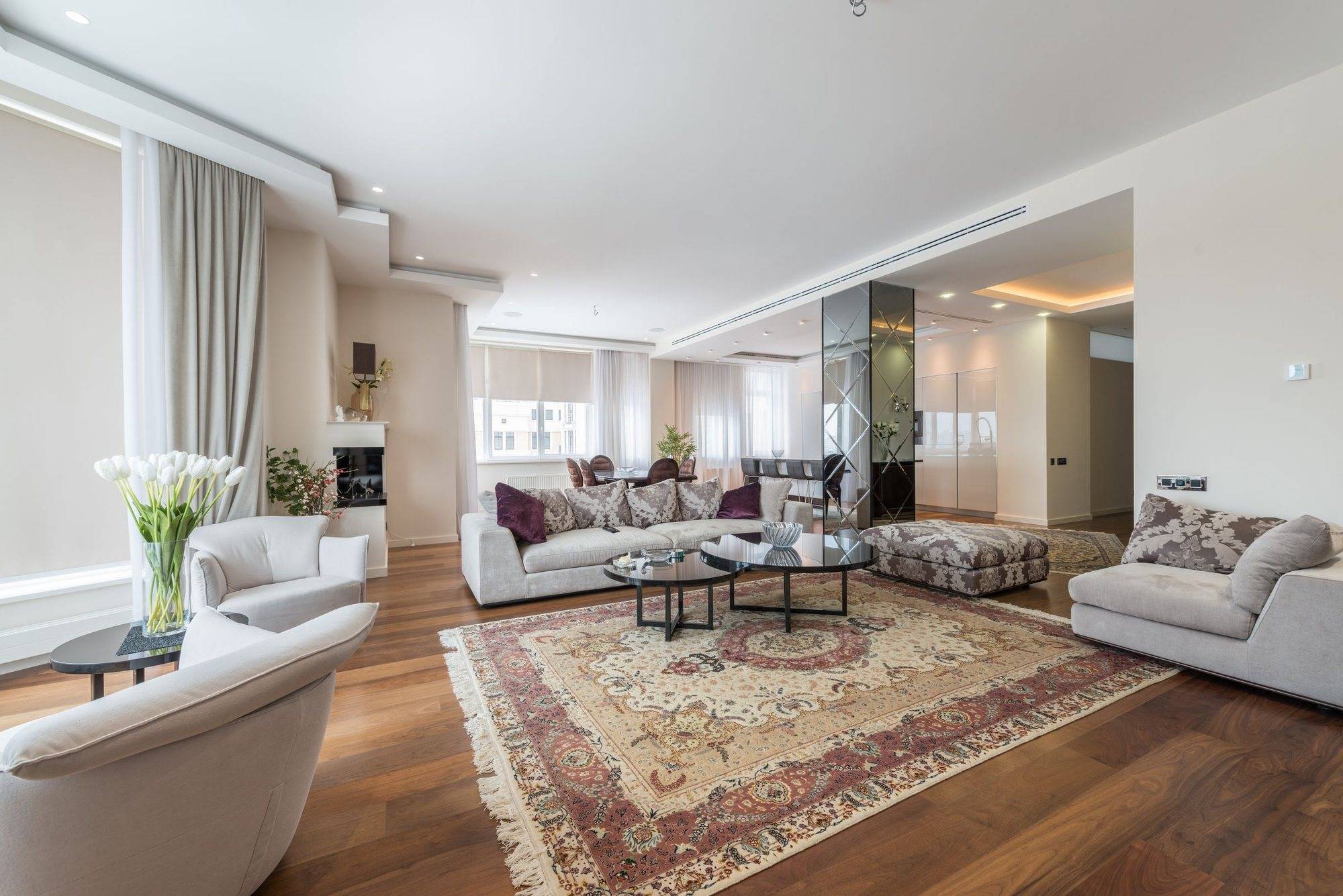
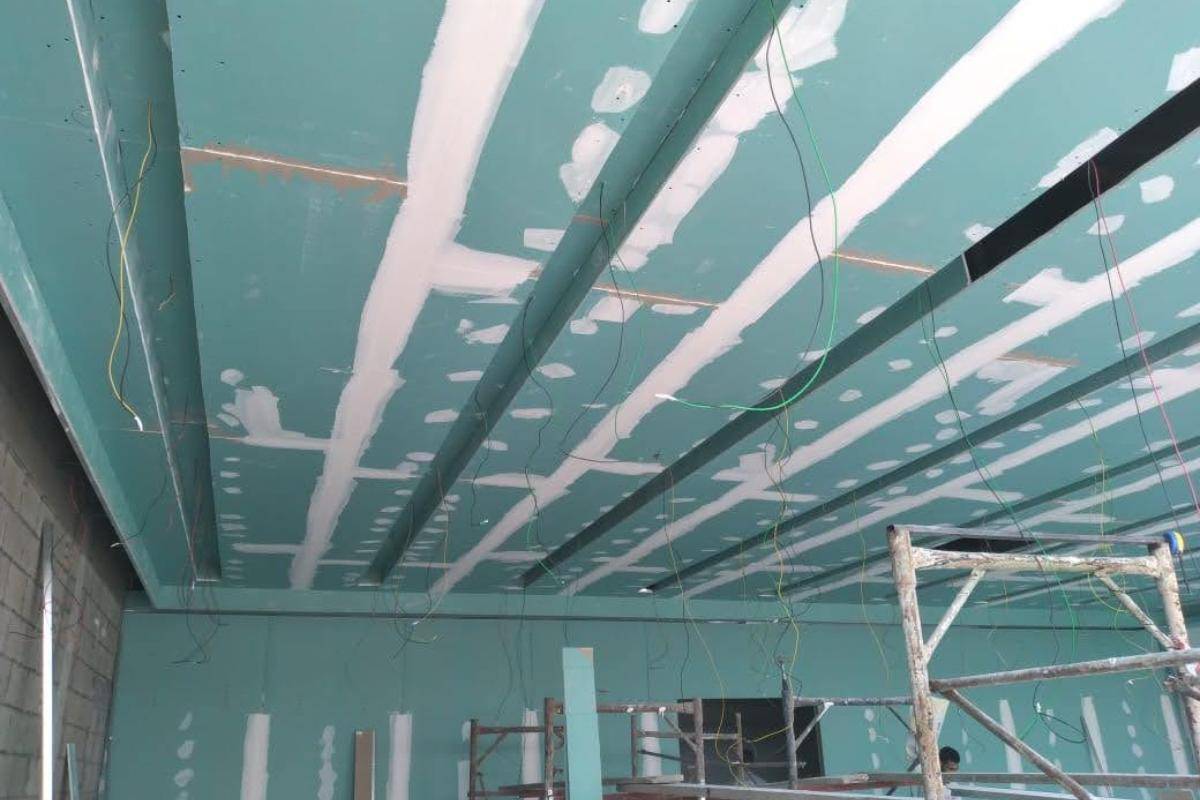
Gypsum board is faster, cleaner and lighter, hides services and allows levels and concealed lighting. Traditional plaster is tougher against knocks and exterior moisture and suits loadbearing walls and facades. The place decides, not a general preference.
- Suspended ceilings and interior partitions: usually gypsum board.
- Exterior walls and areas exposed to water and impact: plaster or cement-based solutions.
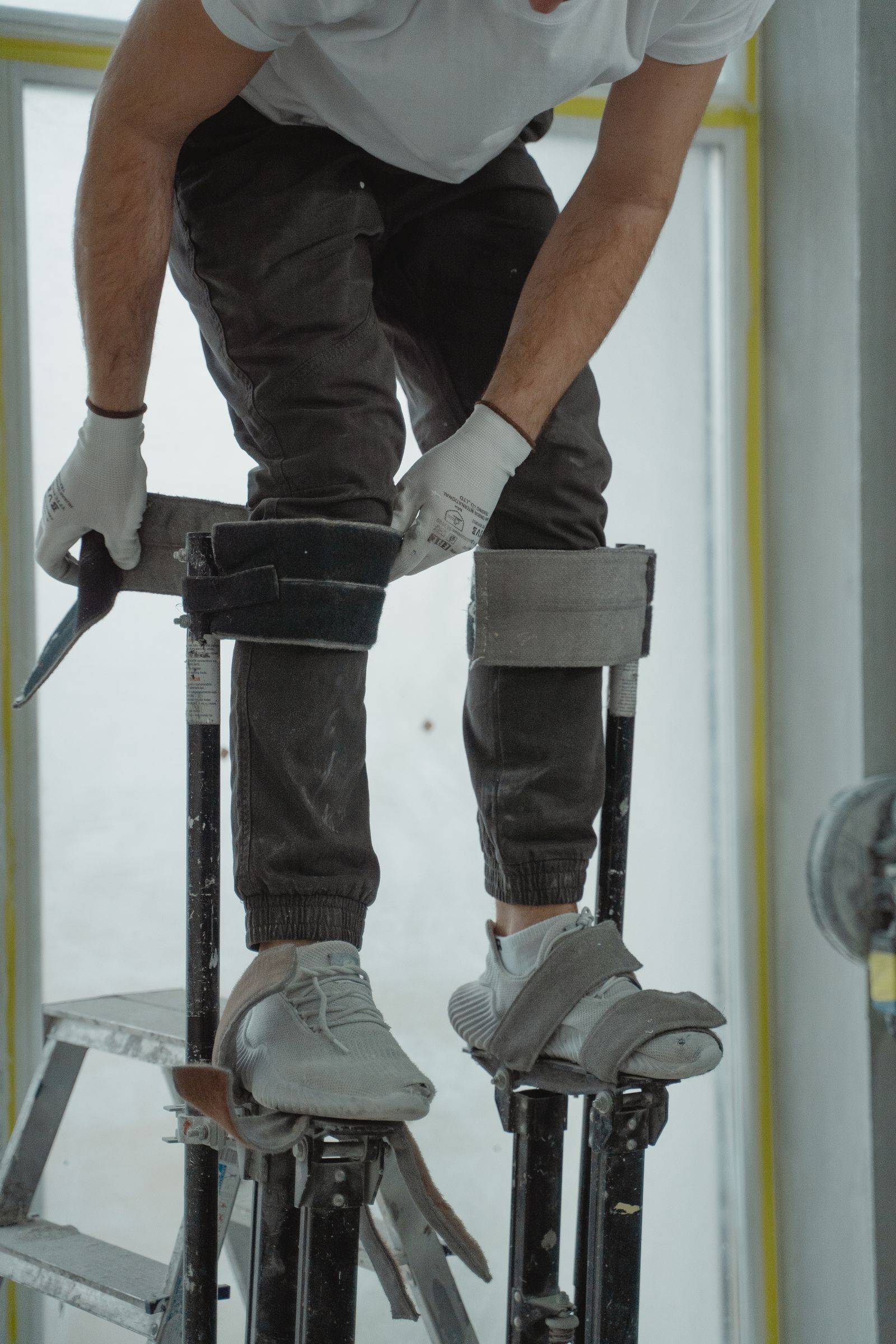
- Gypsum board is a dry trade with no long drying time.
- Repairs are easier in gypsum board, and an access panel can be added.
Many owners ask why the ceiling is not simply plastered, as it always used to be. The answer is not that one is better in every case, but that each has its place.
The comparison
| Criterion | Gypsum board | Traditional plaster |
|---|---|---|
| Speed | Fast, dry trade | Slower, needs coats and drying time |
| Weight | Light on the structure | Heavier |
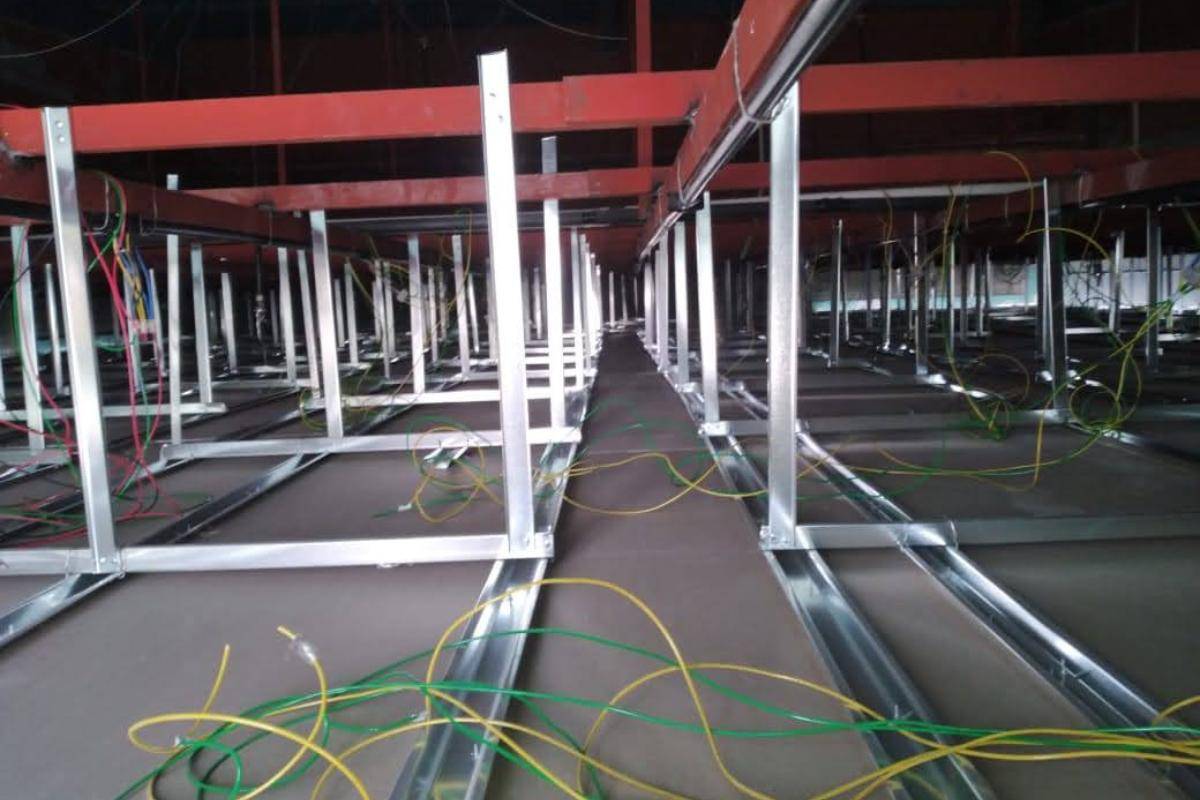
| Services | Hidden in the frame easily | Need chasing and conduits |
| Levels and concealed lighting | Easy and flexible | Difficult and costly |
| Flatness | Very flat with a good frame | Depends on the hand |
| Impact resistance | Lower; improved with an extra layer | Higher |
| Direct water | Not suitable | Cement plaster copes better |
| Repair | Cut out and replace a section | Break out and re-plaster |
| Sound and thermal insulation | Excellent with wool in the cavity | Limited by the coat thickness |
When we choose gypsum board
- Suspended ceilings that hide AC and electrical runs.
- Interior partitions in offices, clinics and hotels, where speed and acoustics matter. Read drywall partitions vs blockwork.
- Renovating occupied spaces, because the work is dry and relatively clean.
- Walls that need lining to straighten them or carry new services.
When we choose plaster
- Exterior walls and facades.
- Walls exposed to direct water or constant impact, such as warehouses.
- Places where the owner or the code requires a cement-based finish.
Cost
We do not quote figures here because they change with city, quantity and detail. But compare the total cost, not the rate per metre: gypsum board saves time, cuts out chasing for services, and allows concealed lighting without extra work. Read what decides the cost of a gypsum ceiling.
For ceilings and partitions, see our gypsum board service.
Frequently asked questions
Is gypsum board weaker than plaster?
Against direct impact, yes, but it can be strengthened with two layers or high-impact boards in busy corridors. Against cracking from building movement it can do better, if built with movement joints.
Can the two be combined?
Yes, and that is the norm: plastered blockwork walls, a suspended gypsum ceiling, and gypsum linings where services or a flatter surface are needed.